SEDA PURANATURAL COSMETICS
Request samples & offer
CollectionWholesalePrivate labelIngredientsJournalFAQAboutContactFace creamBody lotionShower gelShampooOlive oil soapGift setsRequest samples & offer
ENESDE
  1. Home
  2. Ingredients
Ingredients

Six botanicals for skin, typical of southern Spain

Each ingredient with its botanical name, its INCI name as it appears on the label, and its role in a formula.

Olive
01

Olive

Olea europaea

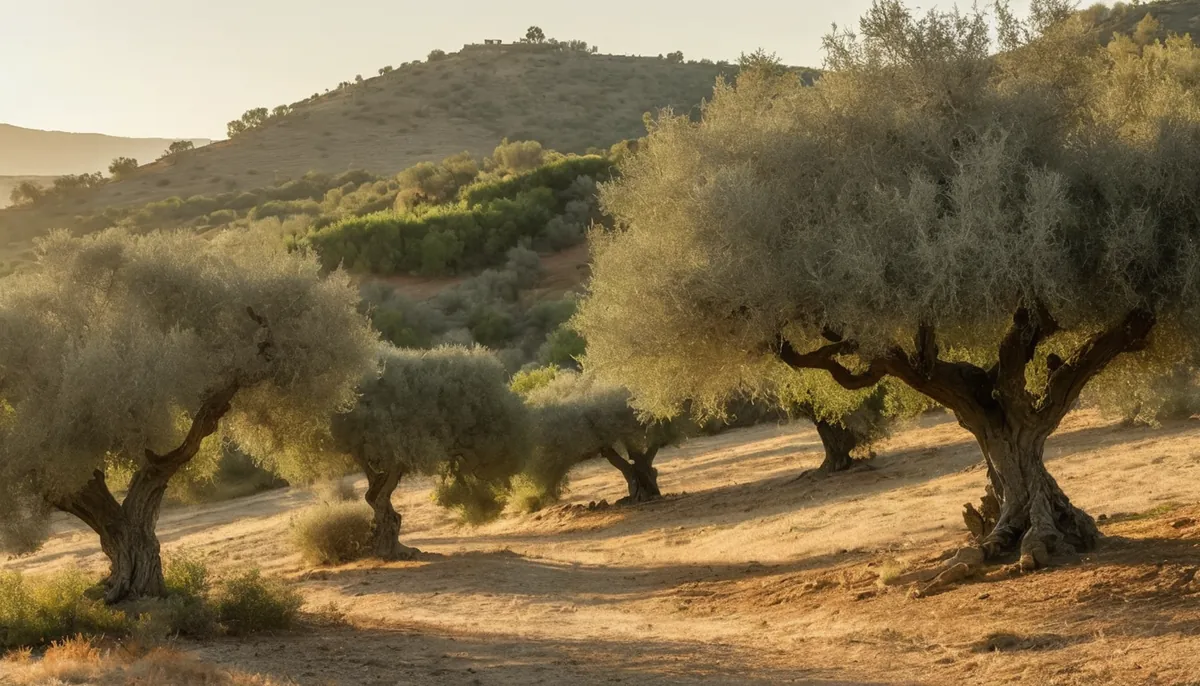
Olive groves shape much of Andalusia’s landscape, above all in the provinces of Jaén and Córdoba.

Olive oil is a plant oil rich in oleic acid that forms part of the oily phase of creams and lotions and helps keep the skin supple. Saponified, it becomes the basis of solid soap, listed as Sodium Olivate.

  • INCI · Olea Europaea (Olive) Fruit Oil
  • Face cream
  • Body lotion
  • Olive oil soap
Fig
02

Fig

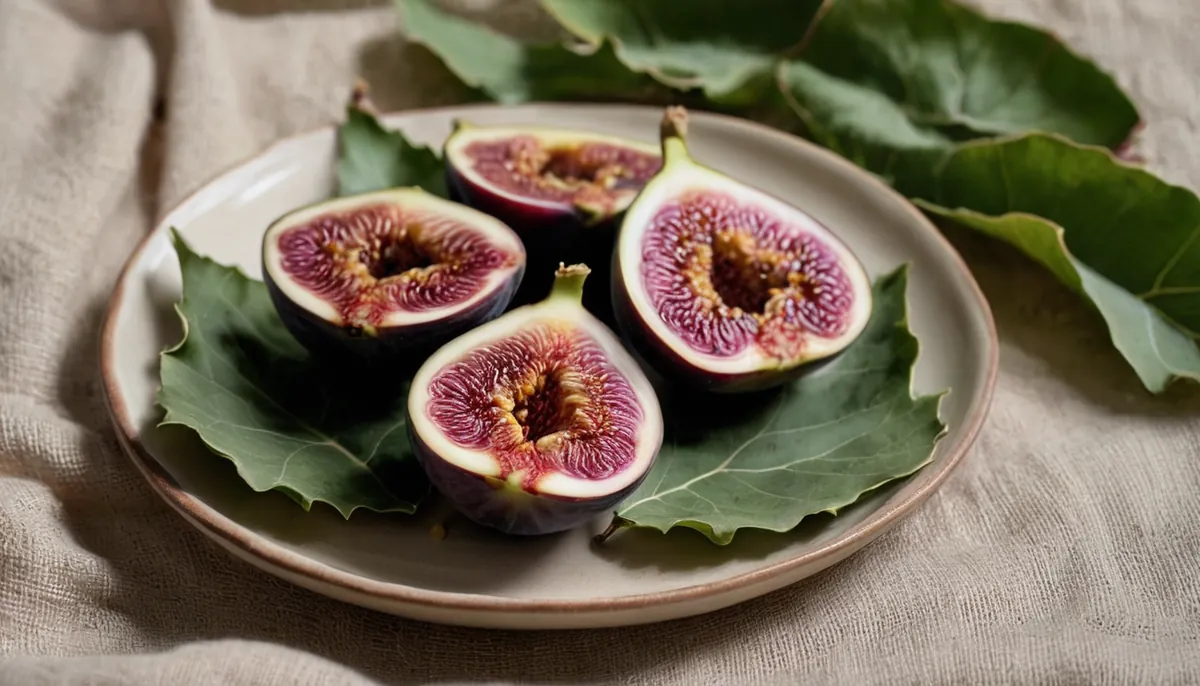
Ficus carica

Fig trees grow across the Andalusian countryside and in many village courtyards and gardens.

Fig extract is used in skincare as a botanical extract in creams, lotions and cleansers. The fig also lends its warm, green-sweet character to scents.

  • INCI · Ficus Carica (Fig) Fruit Extract
  • Body lotion
  • Shower gel
  • Gift sets
Orange blossom
03

Orange blossom

Citrus aurantium (bitter orange)

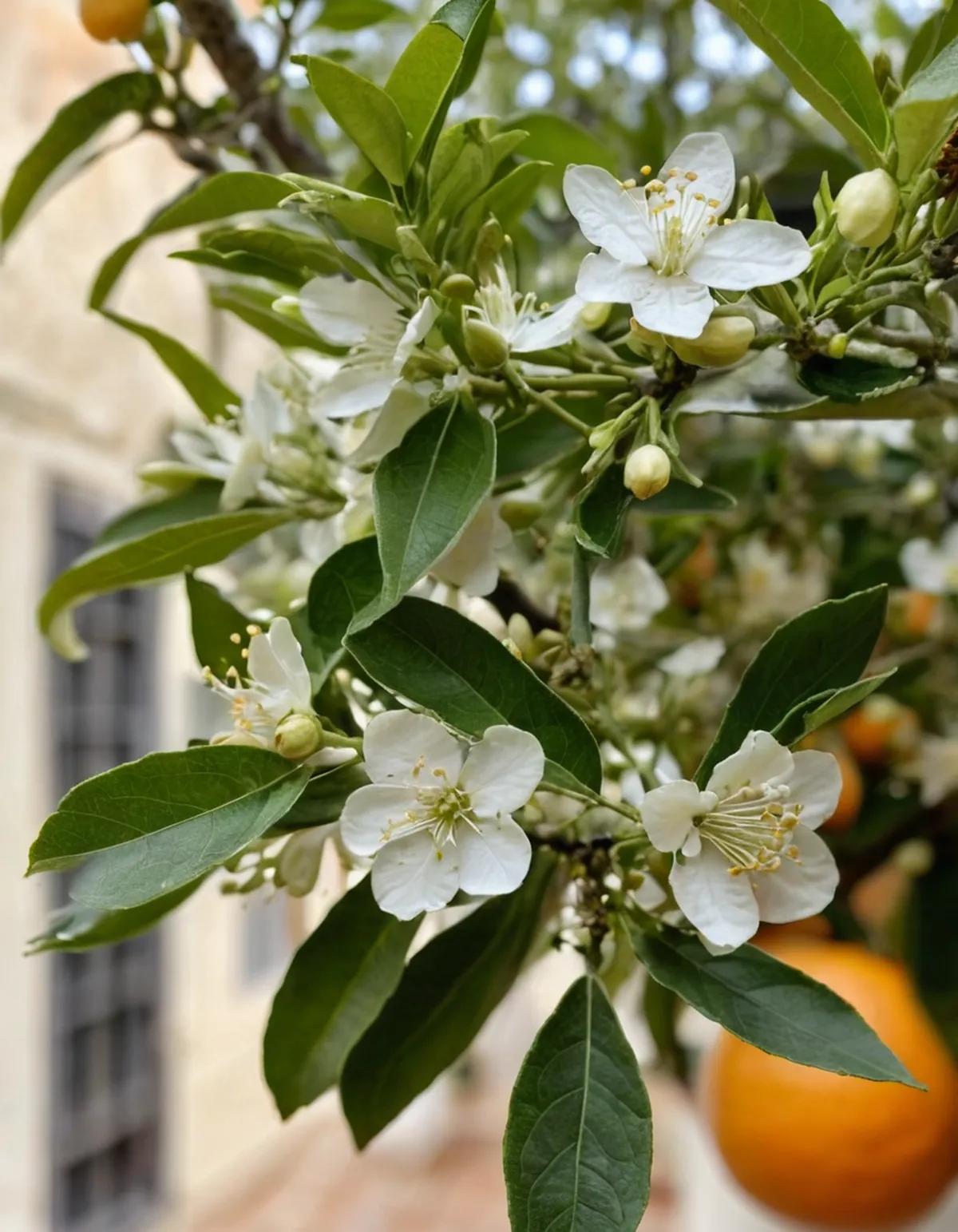
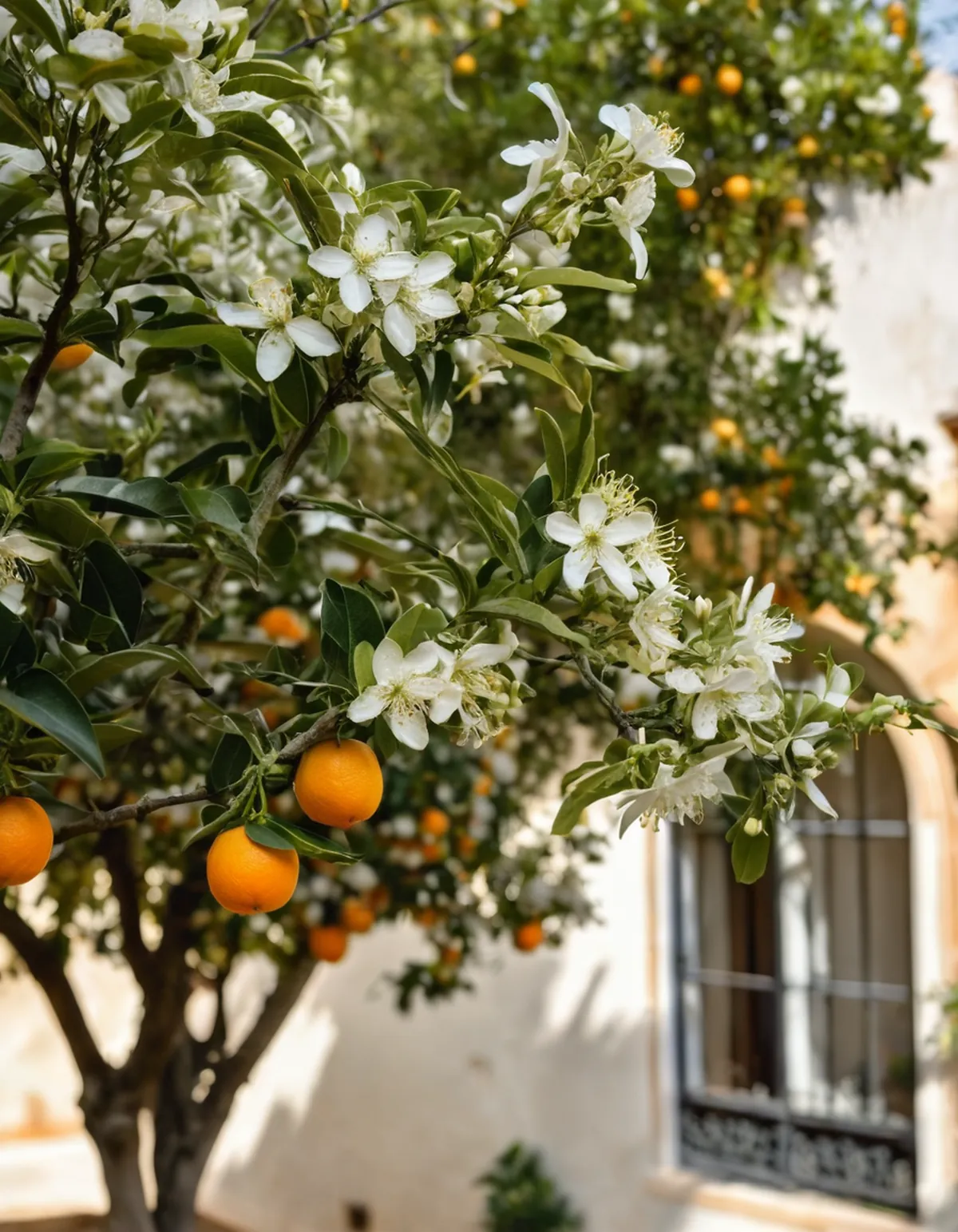
Bitter orange trees line the streets and patios of Seville, where their blossom, the azahar, scents the city in spring.

Orange blossom water is a fragrant floral water used in toners, creams and lotions. The essential oil distilled from the blossom, known as neroli, is used for scent; like many essential oils, it contains fragrance allergens that are declared on the label where required.

  • INCI · Citrus Aurantium Amara (Bitter Orange) Flower Water / Flower Oil
  • Face cream
  • Shower gel
  • Olive oil soap
Sweet almond
04

Sweet almond

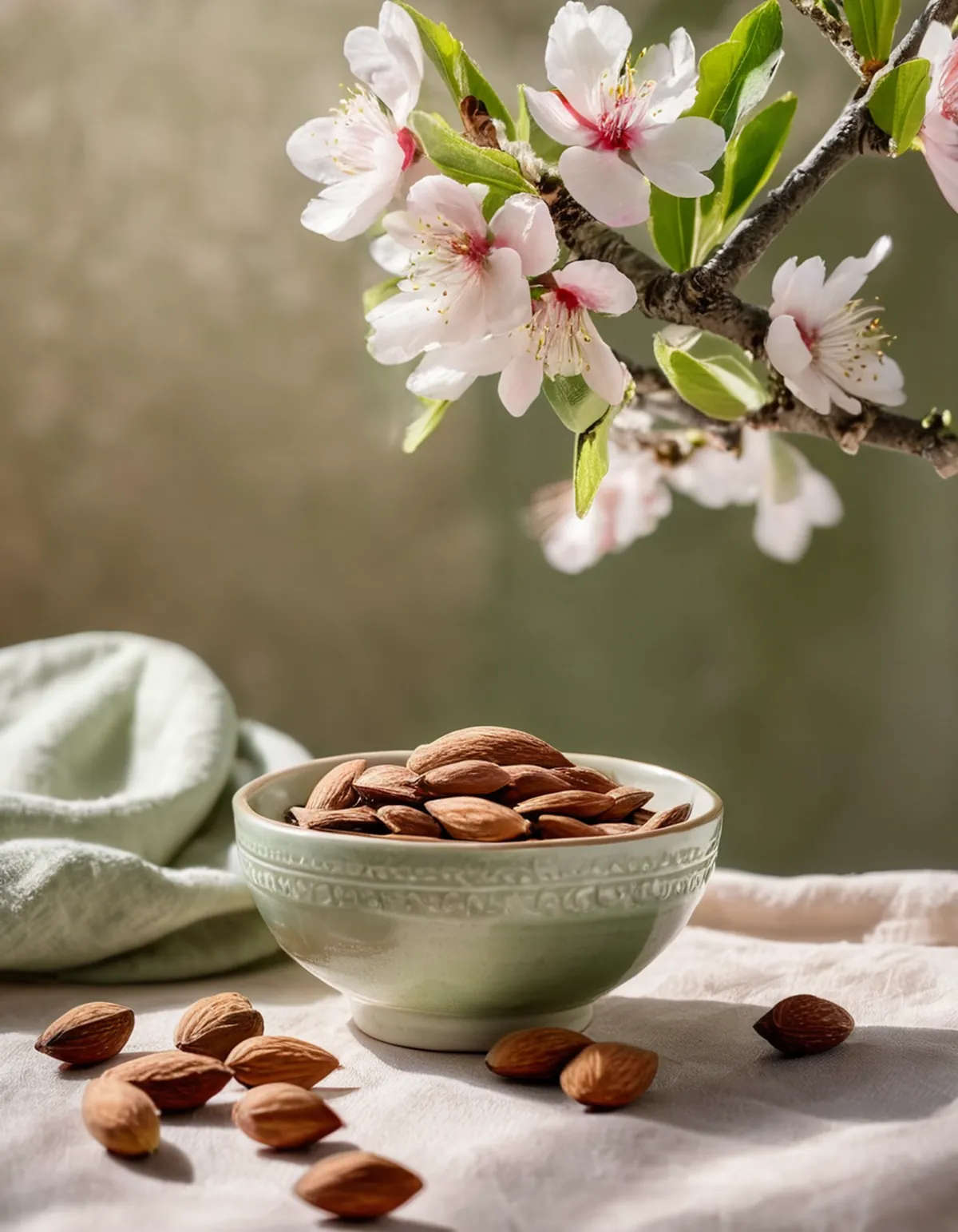
Prunus amygdalus var. dulcis

Almond trees are widely grown in eastern Andalusia, where their blossom marks the end of winter.

Sweet almond oil is a mild plant oil that gives emulsions a soft, smooth feel. It is used in creams, lotions and body oils to help keep the skin supple.

  • INCI · Prunus Amygdalus Dulcis (Sweet Almond) Oil
  • Face cream
  • Body lotion
  • Gift sets
Rosemary
05

Rosemary

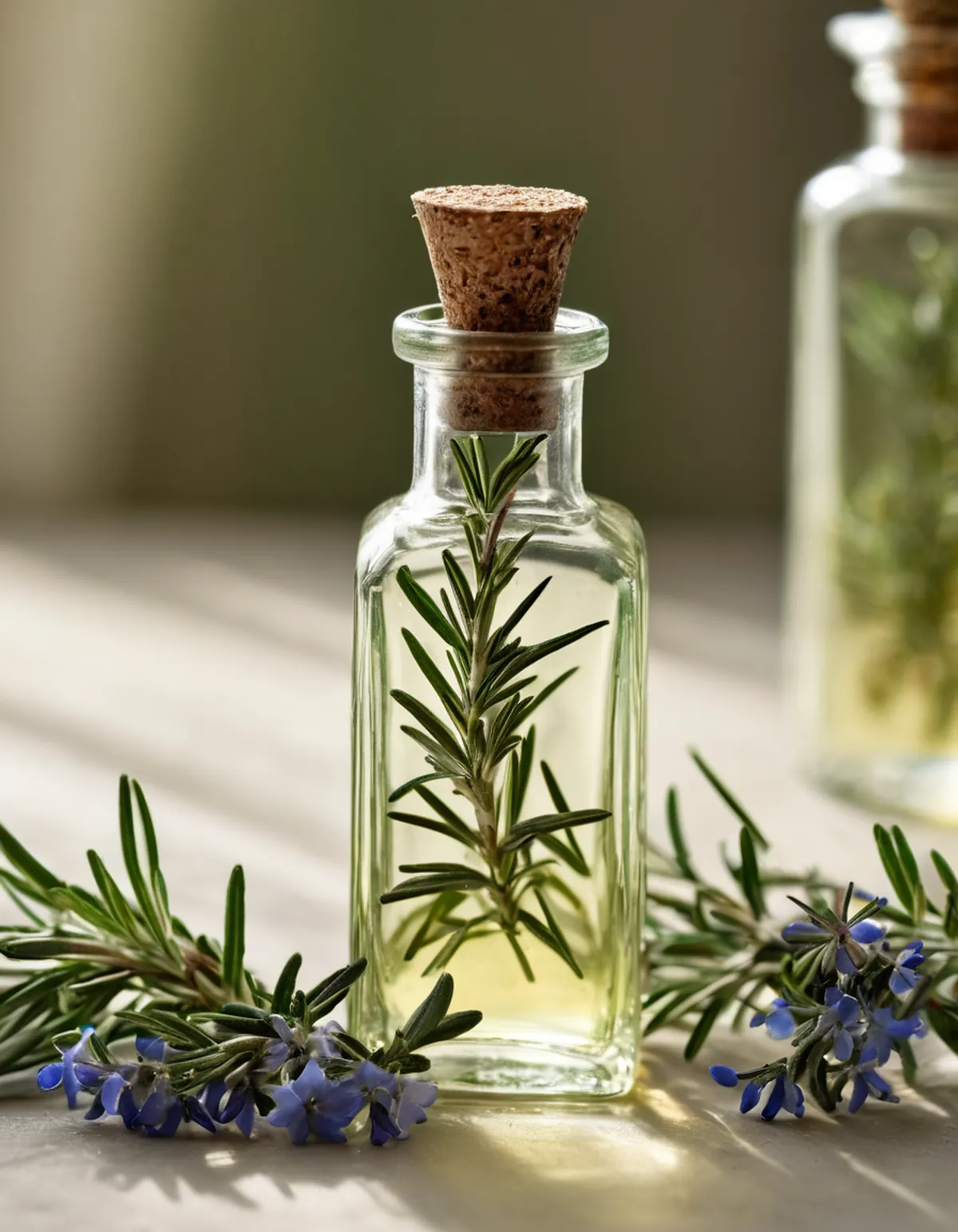
Salvia rosmarinus (syn. Rosmarinus officinalis)

Rosemary grows wild in the Mediterranean scrub of Andalusia’s hills and is a classic of its herb gardens.

Rosemary leaf extract is used in shampoos, shower gels and creams as a botanical extract. Its herbal, fresh note also shapes the scent of a product.

  • INCI · Rosmarinus Officinalis (Rosemary) Leaf Extract
  • Shampoo
  • Shower gel
  • Olive oil soap
Aloe vera
06

Aloe vera

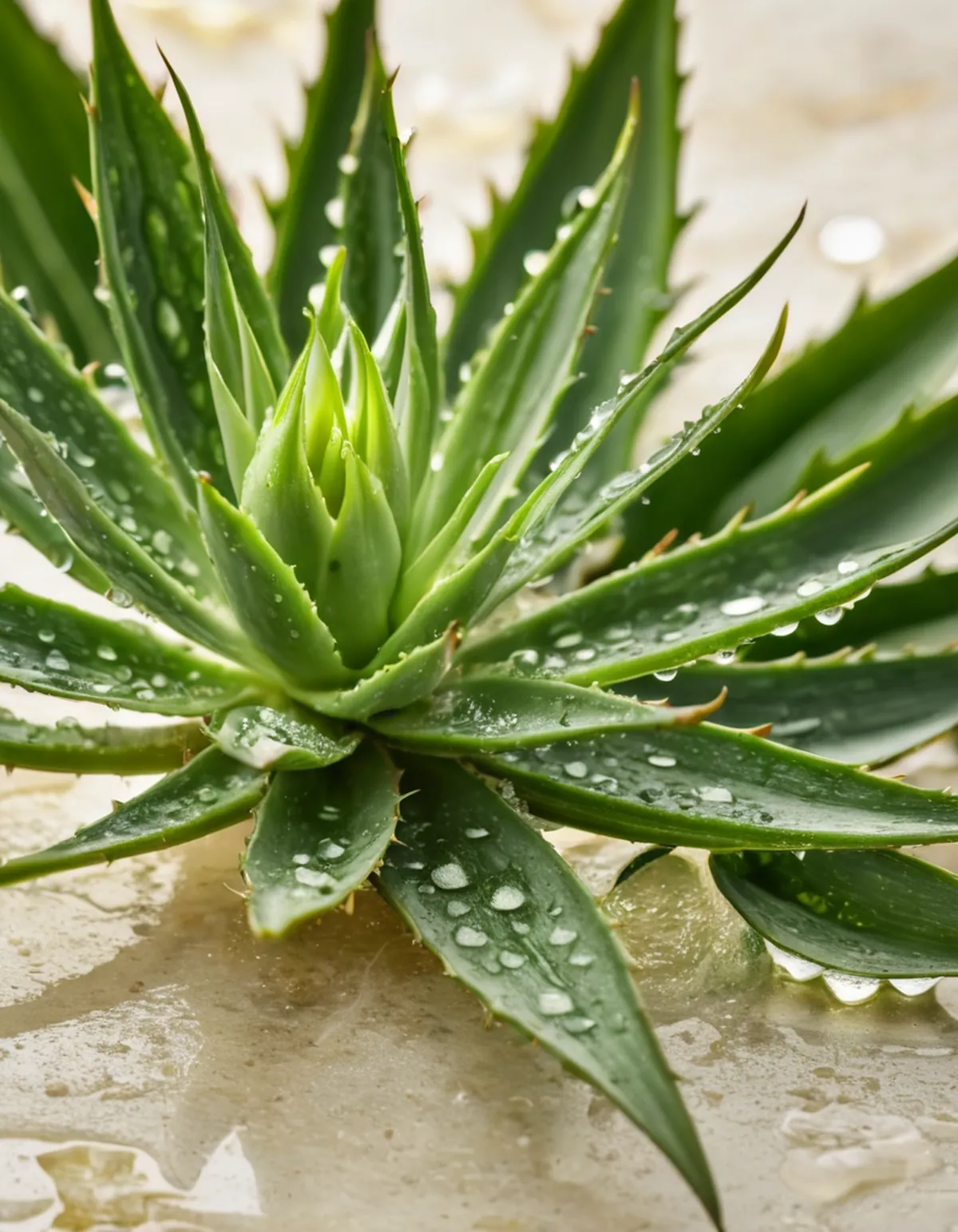
Aloe barbadensis Miller (Aloe vera)

Aloe vera thrives in the warm, dry climate of southern Spain and is cultivated in parts of Andalusia.

Aloe vera leaf juice is used as a water-based ingredient in lotions, gels and cleansers. It gives formulas a light, fresh feel on the skin.

  • INCI · Aloe Barbadensis Leaf Juice
  • Body lotion
  • Shower gel
  • Shampoo

What is an INCI name?

INCI stands for International Nomenclature of Cosmetic Ingredients. It is the standardised name under which an ingredient must appear in the ingredient list on the packaging of a cosmetic product in the EU.

Plant ingredients are usually named after their Latin botanical name and the part of the plant used, for example Olea Europaea Fruit Oil. Ingredients are listed in descending order of weight; those below 1% may follow in any order. The common ingredient names are listed in CosIng, the EU database of cosmetic ingredients. Legal basis: Article 19 of Regulation (EC) No 1223/2009 (EUR-Lex).

Does ‘natural’ on a cosmetic product have a legal meaning?

No. The term ‘natural cosmetics’ is not defined in EU law. What a product contains is shown by its INCI list and the manufacturer’s documents.

ISO 16128 provides guidelines for calculating the natural origin content of ingredients, but it is not a label. Private standards and certification schemes each set their own criteria; where a certification is claimed, the valid certificate for the specific product should be available. Claims must be truthful and supported by evidence under Regulation (EU) No 655/2013 on cosmetic claims (EUR-Lex).

Last updated: October 2026This page provides general information on cosmetics and trade practice. It is not legal, tax or medical advice.

FAQ

Frequently asked questions

Is olive oil good for your skin?

It can be: olive oil is a nourishing plant oil that helps keep the skin soft and supple. On the INCI list it appears as Olea Europaea Fruit Oil. More in our olive oil guide.

What is fig extract used for in cosmetics?

Fig extract is mainly used for skin care and for the sensory concept of a product. On the INCI list it appears, for example, as Ficus Carica Fruit Extract.

What is orange blossom water?

It is obtained by distilling the blossoms of the bitter orange and appears on the INCI list as Citrus Aurantium Amara Flower Water. It is used above all for its light, floral scent.

Is sweet almond oil a problem for people with nut allergies?

Sweet almond oil comes from almonds and is listed as Prunus Amygdalus Dulcis Oil. Anyone with a nut allergy should check the INCI list and ask a doctor before use.

What does rosemary extract do in a cosmetic product?

Rosemary extract adds a herbal scent and is also used as an antioxidant that helps protect the oils in a formula. On the INCI list it appears as Rosmarinus Officinalis Leaf Extract.

What is aloe vera called on the INCI list?

Usually Aloe Barbadensis Leaf Juice or Aloe Barbadensis Leaf Extract. Aloe vera is used in creams and lotions for its light, moisturising feel.

Do essential oils contain allergens?

Yes, many contain fragrance substances such as linalool or limonene. Under EU rules, these must be named on the label above 0.001 % in leave-on and 0.01 % in rinse-off products.

Do all ingredients come from Andalusia?

No, origin depends on the raw material and the supplier. Where the origin of an ingredient is mentioned, it is stated per product.

Does ‘natural’ mean the product contains no preservatives?

No. Products that contain water usually need preservation to stay safe in use. Only preservatives listed in Annex V of Regulation (EC) No 1223/2009 are permitted.

How can I find out exactly what is in a product?

Check the INCI list on the packaging: ingredients are listed in descending order of concentration, those under 1 % in any order. Our INCI guide and the botanicals guide help you read it.

All questions

Contact

Begin with a sample

Tell us which products, quantities, sales channel and country you have in mind. We reply personally with questions or a proposal for samples.

Request samples & offer