SEDA PURANATURAL COSMETICS
Request samples & offer
CollectionWholesalePrivate labelIngredientsJournalFAQAboutContactFace creamBody lotionShower gelShampooOlive oil soapGift setsRequest samples & offer
ENESDE
  1. Home
  2. Journal
  3. Fig in skincare: extract, oil, scent – and the Barbary fig
Journal · Ingredients · 7 min read

Fig in skincare: extract, oil, scent – and the Barbary fig

Fig appears in creams, body washes and fragrances. This guide explains what is behind the name, how the common fig differs from the Barbary fig, and what to look for on the label.

In brief

‘Fig’ on a label can mean fig fruit extract, fig seed oil or simply a fig-like fragrance – the INCI list shows which.

The Barbary fig or prickly pear (Opuntia ficus-indica) is a cactus and botanically unrelated to the common fig (Ficus carica).

Fresh fig sap contains furocoumarins and can irritate the skin in sunlight; assessed cosmetic extracts are a different matter.

What are fig skin care products?

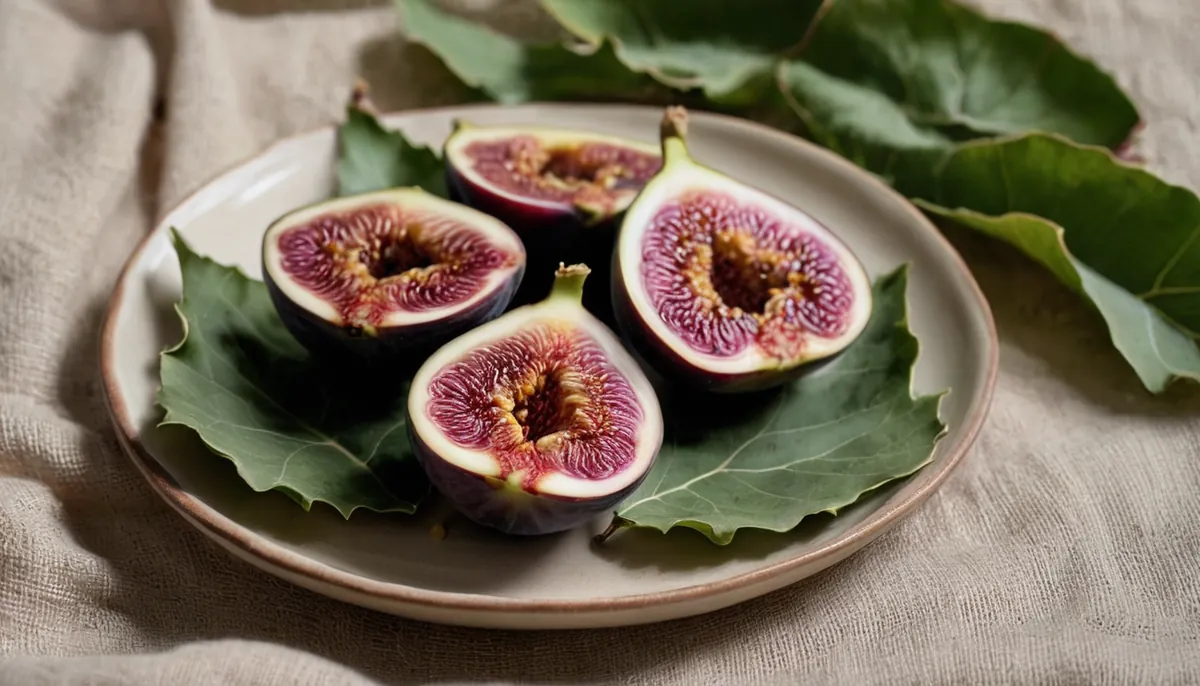
Fig skin care products are creams, lotions, body washes and gift sets that contain a fig ingredient or a fig scent. The ingredient is usually fig fruit extract, listed in INCI as Ficus Carica Fruit Extract, and occasionally fig seed oil. Many products named after the fig owe the name mainly to their fragrance.

The common fig, Ficus carica, has been grown around the Mediterranean for thousands of years and is part of the Andalusian countryside. In cosmetics it appears in three main forms:

  • Fruit extract (Ficus Carica Fruit Extract) in creams, lotions and cleansers.
  • Seed oil, a pressed oil from the tiny seeds, which is less common.
  • Fig fragrance, declared as ‘Parfum’.

Typical product types are body lotion, hand cream, shower gel and gift sets. At Seda Pura, fig is one of the Andalusian botanicals in our ingredient portfolio, alongside olive, orange blossom and almond.
What is fig extract used for in skin care?

Fig extract is used as a caring botanical ingredient that contributes to the feel and character of a formula. The fruit naturally contains sugars, organic acids and plant compounds such as polyphenols. What a specific extract does in a product depends on its concentration and the overall formula.

Fig extracts are obtained from the fruit with a solvent such as water, glycerin or alcohol. On the label the solvent often appears separately, for example Aqua, Glycerin, Ficus Carica Fruit Extract.

Natural fruit sugars can help to bind moisture on the skin’s surface, as other humectants do. Much of the research on fig extracts, however, comes from laboratory studies, and their results do not automatically apply to a finished cream. Responsible brands therefore describe fig extract as a caring ingredient, not as an active that treats skin problems.

The position in the ingredient list gives a clue to the amount: ingredients above 1% are listed in descending order of concentration. Our INCI guide explains how to read the list.

Is fig oil good for skin?

‘Fig oil’ can mean two things: an oil pressed from fig seeds, or dried figs infused in a carrier oil such as olive oil. Like other plant oils, both can help to keep the skin soft and supple. Barbary fig seed oil, often sold simply as ‘fig oil’, comes from a different plant.

Fig seed oil is pressed from the small seeds inside the fruit and is rich in unsaturated fatty acids. Because the yield is low, it is used far less often than olive or almond oil.

Fig macerates, in which dried figs are steeped in a base oil, consist mainly of that base oil. The label then reads, for example, Olea Europaea Fruit Oil, Ficus Carica Fruit Extract.

Be careful with searches for ‘fig oil for skin’: many results are actually prickly pear seed oil, which in English is also called Barbary fig seed oil. Only the INCI name tells you which oil is in the bottle.

Pure plant oils can oxidise. Store them cool and away from light, and use them within the period after opening shown on the pack.

Is the Barbary fig the same as the fig?

No. The Barbary fig, also called prickly pear or Indian fig, is the cactus Opuntia ficus-indica, while the common fig is the tree Ficus carica. The two plants are not related; they only share a name because both bear sweet fruit full of seeds.

Opuntia ficus-indica originally comes from Mexico and has grown wild around the Mediterranean for centuries, including in Andalusia, where it is known as higo chumbo or chumbera.

Common figBarbary fig / prickly pear
Botanical nameFicus caricaOpuntia ficus-indica
Plant familyMulberry family (Moraceae)Cactus family (Cactaceae)
Typical INCIFicus Carica Fruit ExtractOpuntia Ficus-Indica Seed Oil, Opuntia Ficus-Indica Fruit Extract
Main use in cosmeticsExtract in creams and cleansers, fragrance themeSeed oil for face care, extracts

Seda Pura works with the common fig (Ficus carica). Prickly pear is not part of our botanicals.

What is Barbary fig seed oil used for in skin care?

Barbary fig or prickly pear seed oil is pressed from the seeds of the cactus fruit and is used mainly in face oils, serums and creams. It is rich in linoleic acid and vitamin E (tocopherols) and is considered precious because the seeds contain little oil. Like other oils, it cares for the skin; it does not treat skin conditions.

Its INCI name is Opuntia Ficus-Indica Seed Oil. Products sold as ‘Barbary fig skin care’ may also contain extracts from the fruit, flowers or pads of the cactus, each with its own INCI name.

When choosing a product, check:

  • whether the oil is near the top of the INCI list or only towards the end,
  • whether you are buying a pure oil or a cream with a small share of oil,
  • whether ‘fig’ in the product name refers to Opuntia or to Ficus carica.

A high price alone says nothing about the concentration, and neither does a large picture of the fruit on the pack.

Fig scent or fig extract: what is the difference?

A fig scent is a fragrance composition that recalls fig leaves and fruit; it appears in the INCI list as ‘Parfum’. Fig extract is a plant ingredient with its own INCI name. A fig scented body wash may therefore contain no fig at all.

The typical fig note – green, milky, slightly woody – is built by perfumers from a combination of aroma molecules, because the fruit itself yields hardly any usable fragrance oil. Fig leaf absolute, a traditional material, is excluded under the fragrance industry’s IFRA standards because of its potential to sensitise the skin and react with sunlight.

For a body wash or lotion, both approaches are legitimate. If the ingredient matters to you, look for Ficus Carica Fruit Extract on the label. With fragrance, allergens such as Limonene, Linalool or Coumarin must be named above set concentrations.

Fig is a popular scent for shower gels and for skincare gift sets, often combined with fresh, green or woody notes.

Is fig sap safe on the skin?

Fresh fig sap, the white latex from leaves, stems and unripe fruit, contains furocoumarins such as psoralen. Combined with sunlight, it can cause phytophotodermatitis: redness, blisters and later dark patches. Fig ‘milk’ should therefore not be applied to the skin directly.

Home remedies sometimes recommend fig milk for warts or blemishes. Medical literature describes cases of serious skin reactions after this kind of use, especially when the skin was then exposed to the sun.

Cosmetic fig extracts are a different matter: they are made from the fruit and must be assessed in the product’s safety report. EU cosmetics law prohibits furocoumarins in cosmetic products except for their normal content in natural essences, and limits them to below 1 mg/kg in sun protection and bronzing products.

If you prune a fig tree in the garden, wear gloves and long sleeves, wash any sap off with soap and water and keep the area out of the sun. If a reaction occurs, see a doctor.

How do you choose a fig skin care product?

Start with the INCI list: does it contain Ficus Carica Fruit Extract, fig seed oil or only fragrance? Decide whether you want a fig scent, a fig ingredient or both, and pick a product type that suits your skin. Words such as ‘natural’ are not protected, so the label counts more than the name.

A short checklist:

  • Ingredient: Ficus Carica = common fig; Opuntia Ficus-Indica = prickly pear; ‘Parfum’ only = fig scent.
  • Product type: lotion or cream for care, body wash for cleansing, oil for dry areas.
  • Fragrance: for sensitive skin, choose lightly scented or unscented versions and test on a small area first.
  • Food searches: ‘fig cream’ can also be a dessert or spread, and the nutritional value of eating figs does not transfer to skin.

More on fig, olive, orange blossom and other Mediterranean plants is in our guide to Mediterranean skincare ingredients.

Last updated: October 2026This page provides general information on cosmetics and trade practice. It is not legal, tax or medical advice.

FAQ

Frequently asked questions

Is fig skin care better for dry or oily skin?

Fig extract is used in products for all skin types; the base formula matters more than the extract. Rich creams tend to suit dry skin, light lotions and gels oily skin.

Can fig skin care products cause skin reactions?

Any ingredient can cause a reaction in sensitive people, and fragrance allergens are a frequent cause. Stop using a product that irritates, and try a new one on a small patch of skin first.

Is there fig skin care for men?

Yes. Fig scents with green or woody accents are popular in men’s body washes and lotions. The formula itself does not depend on gender.

What does fig smell like in cosmetics?

Usually green and slightly milky, with notes of fig leaf, ripe fruit and sometimes coconut or wood. Every brand interprets the scent a little differently.

Can I put fresh figs on my face?

Fresh fruit can carry traces of sap and spoils quickly, and mashed fruit is not a preserved cosmetic. Cosmetic products whose safety has been assessed are the better choice.

Are prickly pear, cactus pear and Barbary fig the same?

Yes, these are common English names for the fruit of Opuntia ficus-indica, as is Indian fig. On a cosmetic label, the INCI name is what counts.

Does Seda Pura offer fig products?

Fig is one of the botanicals in the Seda Pura range, which is still in development, for example as an extract or scent in body lotion and shower gel. Trade customers can ask about availability; more answers are in our FAQ.

Can you eat fig skin?

Yes, the skin of a fresh, ripe fig is edible and is usually eaten with the fruit after washing. In skincare, by contrast, fig is used as an extract, for example Ficus Carica Fruit Extract, not as the whole fruit.

Figs in health and beauty: is eating figs the same as using fig extract?

No. Eating figs is part of a diet; a fig extract in a cream is a cosmetic ingredient that cares for the skin surface. A cosmetic may not promise health effects, so fig skincare is about feel, moisture and scent.

What does fig bring to beauty and skincare?

Fig extracts and fig leaf extracts are used in creams and lotions for their caring, moisturising character and their warm, Mediterranean scent profile. Fig leaf can contain furocoumarins, which is why cosmetic grades are specified by the manufacturer.

Where to buy fig scrubs – and what should be in one?

Fig scrubs are sold by cosmetic retailers and online shops. Look at the INCI list: the exfoliating part is often sugar, salt or ground seeds, and fig usually appears as an extract. Seda Pura currently has no scrub in its range; brands can discuss one as private label.

All questions

Contact

Begin with a sample

Tell us which products, quantities, sales channel and country you have in mind. We reply personally with questions or a proposal for samples.

Request samples & offer