SEDA PURANATURAL COSMETICS
Request samples & offer
CollectionWholesalePrivate labelIngredientsJournalFAQAboutContactFace creamBody lotionShower gelShampooOlive oil soapGift setsRequest samples & offer
ENESDE
  1. Home
  2. Private label
Private label

Private label cosmetics and skincare from manufacturers in Andalusia

You bring the brand idea. We coordinate formula, packaging and production with manufacturers in Andalusia, step by step and with your approval.

In brief

Private label means a manufacturer makes the product and you sell it under your brand.

Costs consist of formula, documents, packaging, production and logistics, not just a unit price.

Whoever sells under their own brand may become the Responsible Person under EU law.

01

Existing base formulas

Starting from existing formulas keeps development time and effort manageable.

02

Andalusian character

Olive, fig and orange blossom can give your line a clear origin story.

03

Clear approvals

Every step ends with your written approval before the next one begins.

04

Regulatory overview

Safety report, CPNP notification and label requirements are planned from the start.

01

Briefing

Target group, product types, price range, planned quantities and sales channels.

02

Formula and samples

Selection or adaptation of a formula; you test samples and approve.

03

Packaging and label

Containers, design and the mandatory label information under Article 19 of the EU Cosmetics Regulation.

04

Safety assessment and notification

Cosmetic Product Safety Report by a qualified safety assessor, Product Information File and CPNP notification before sale.

05

Production and delivery

Manufacturing, quality control and shipping to your warehouse.

What is private label skincare?

Private label means that a manufacturer produces skincare that you sell under your own brand. You decide on name, design and range; the formula comes from the manufacturer’s portfolio or is adapted for you.

This differs from contract manufacturing of an entirely new formula, which takes longer because development, stability testing and safety assessment start from scratch. For most new brands, an adapted existing formula is the more practical start.
Which products suit the start of a private label line?

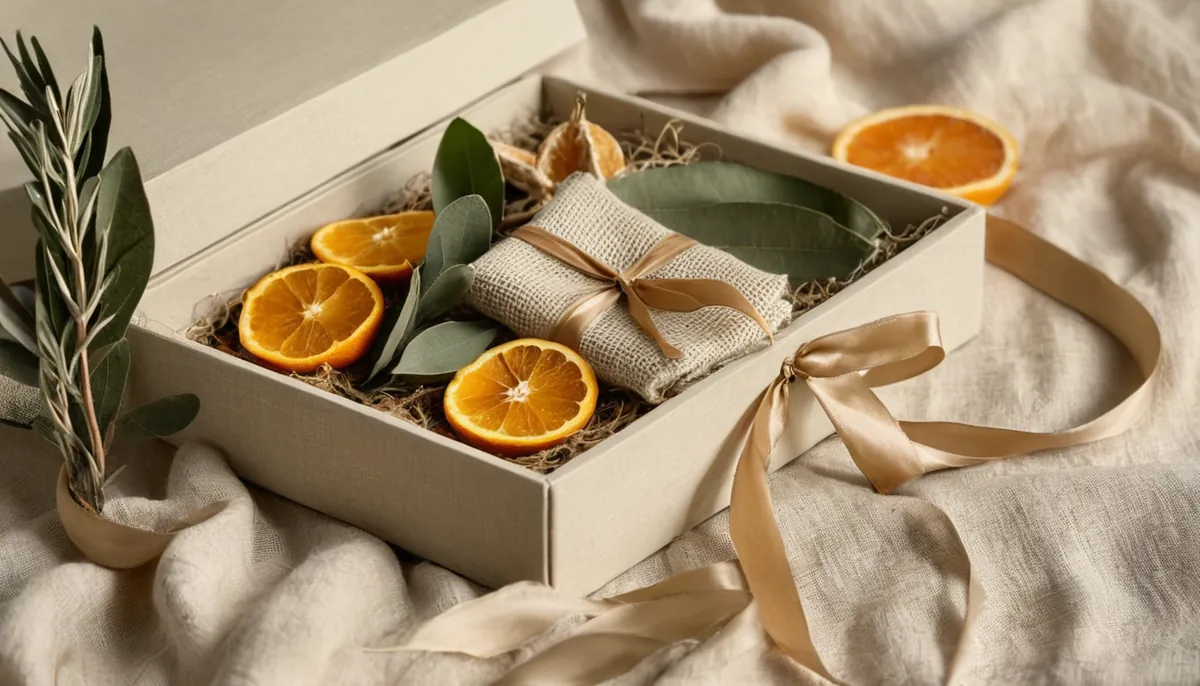
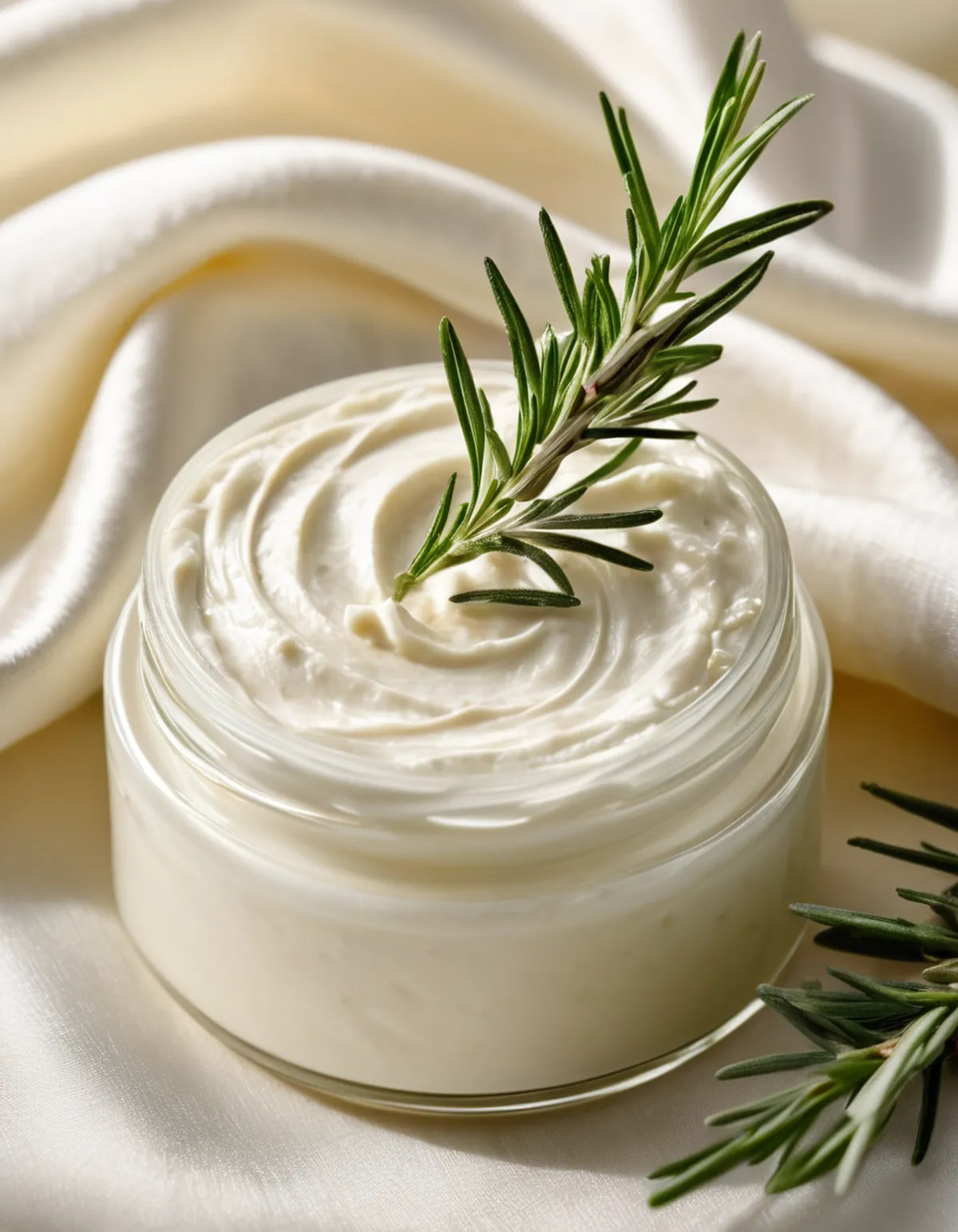
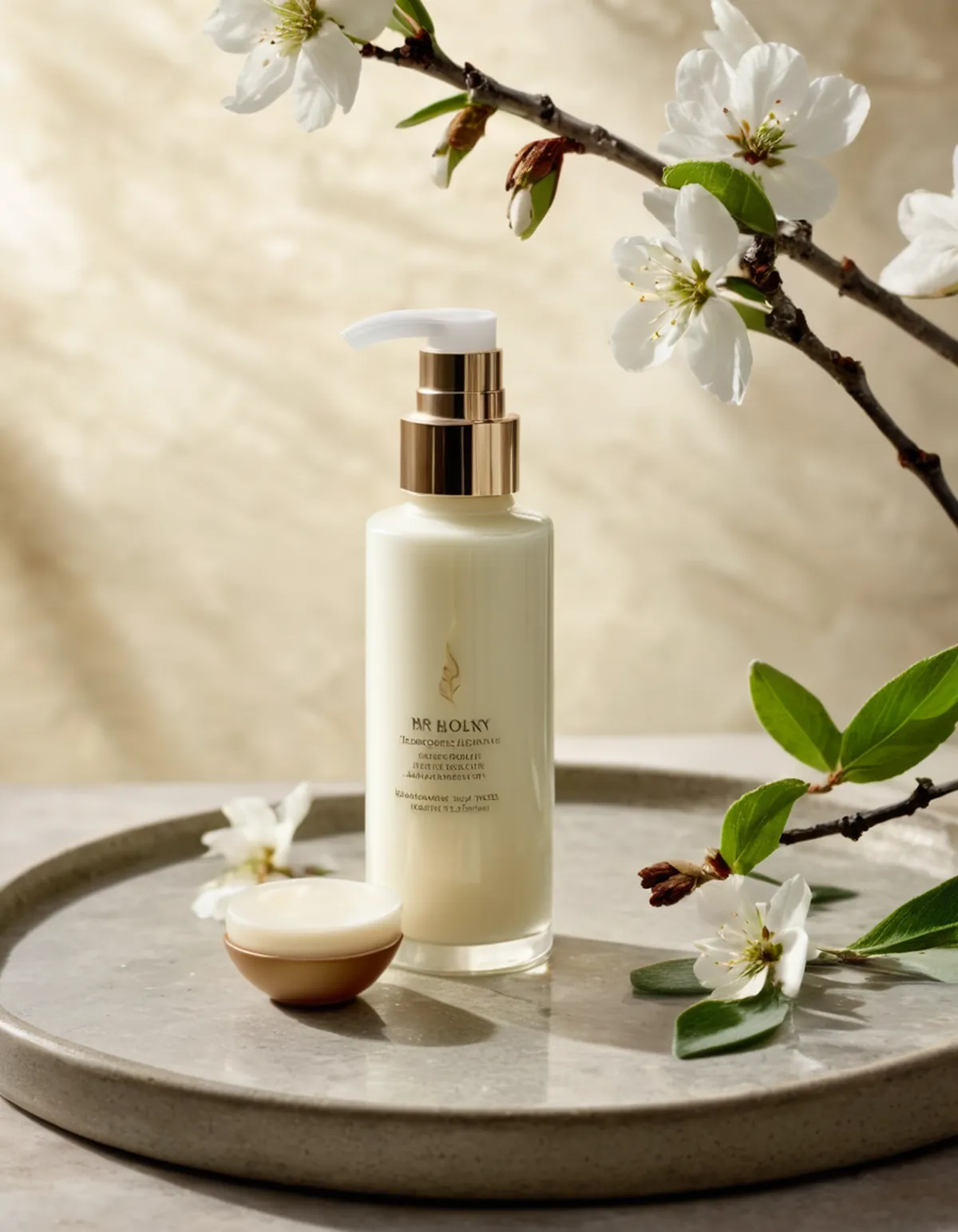
Products with manageable formula and packaging effort: olive oil soap, shower gel and shampoo in standard bottles, body lotion and face cream. Gift sets combine several of them.

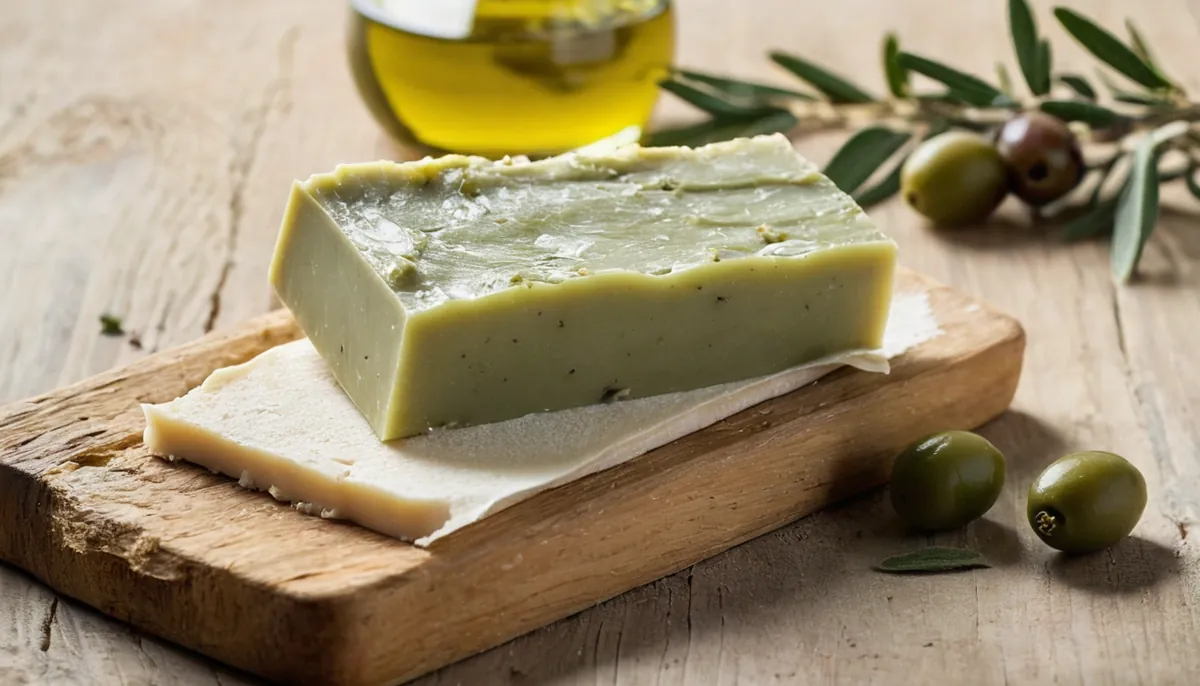
Solid olive oil soap is a common first product, as it needs no bottle and can carry your brand on a simple band or box. Matching scents across soap, shower gel and lotion give a small line a clear identity from the outset.

Who is the Responsible Person for private label cosmetics?

Whoever places a cosmetic product on the EU market under their own name or trademark is considered the Responsible Person under Article 4(6) of the EU Cosmetics Regulation. This also applies to retailers with their own brand.

The Responsible Person must ensure that the safety report, the Product Information File and the CPNP notification are in place. The tasks can be delegated by written mandate, so this should be agreed in the contract. Legal basis: Regulation (EC) No 1223/2009 (EUR-Lex). Register your brand name before labels are printed; cosmetics fall under Nice class 3 (European Union Intellectual Property Office (EUIPO)).

How are minimum quantities for private label calculated?

Minimum quantities in private label depend on the batch size of the manufacturer, the minimum order of the chosen packaging and the print run for labels or boxes. They are stated in the offer after the briefing, not as a general figure.

The most common drivers:

  • Batch size: a formula is produced in batches; very small quantities raise the cost per unit.
  • Packaging: bottles, jars and caps from stock are available in smaller quantities than custom moulds or colours.
  • Printing: labels, sleeves and boxes are printed in runs; several products can share one design.
  • Documents: safety report and notification are needed per product, regardless of quantity.

Starting with one or two products keeps the first investment manageable. Our private label guide explains how costs are made up.

Private label skincare manufacturer in the UK or in Spain: what is the difference?

A UK manufacturer works within UK cosmetics law. Products made in Spain follow EU law and, for sale in Great Britain, additionally need a UK Responsible Person and a notification in the UK service SCPN.

The UK Cosmetics Regulation was taken over from EU law in 2021, so many requirements are similar, but the ingredient lists of both systems can diverge over time. A formula that complies with EU law should therefore be checked against the current UK rules before you print labels for both markets. Official guidance: making cosmetic products available in Great Britain (GOV.UK).

Northern Ireland follows different rules. All steps for non-EU markets are summarised in our guide to exporting private label cosmetics.

Private label cosmetics for the USA and Canada: what changes?

In the USA, the Modernization of Cosmetics Regulation Act (MoCRA) requires facility registration and product listing with the FDA, and labels follow US rules. Canada requires a Cosmetic Notification Form within 10 days of first sale and labels in English and French.

USA: under MoCRA (FDA), facilities that manufacture or process cosmetics for the US market, including foreign facilities, generally have to be registered, and each product must be listed. Colour additives need FDA approval, and EU labels cannot always be used unchanged.

Canada: manufacturers and importers notify Health Canada (Cosmetic Notification Form, canada.ca) and check the ingredients against the Cosmetic Ingredient Hotlist. Deliveries to both countries are checked per project and are not guaranteed; details in our export guide.

How do private label cosmetic companies differ from white label skincare suppliers?

Private label cosmetic companies adapt a product to your brand, for example its fragrance, texture or packaging. White label skincare is a finished product that only receives your label. Both routes can be combined in one range.

White label is faster, because formula and documents already exist; the product is the same as the one other brands may sell. Private label takes longer but makes your line more distinctive. Seda Pura coordinates both routes with manufacturers in Andalusia; which one fits depends on your budget, timeline and positioning.

What does private label soap from olive oil involve?

A private label olive oil soap is defined by its soap base, the share of olive oil, fragrance, shape, weight and wrapping. As a cosmetic product it needs the same label information, safety report and notification as a cream.

On the label, saponified olive oil appears under its INCI name, for example Sodium Olivate. A bar soap can carry your brand on a band, a box or an embossed stamp, which keeps packaging costs low. More on the product: olive oil soap.

Which documents does a private label project produce?

A private label product needs a formula with INCI list, a Cosmetic Product Safety Report, a Product Information File, a CPNP notification and an approved label. Who keeps which document is agreed in the contract.

  • Formula and INCI list from the manufacturer
  • Cosmetic Product Safety Report by a qualified safety assessor (Annex I of Regulation 1223/2009)
  • Product Information File, kept for 10 years after the last batch is placed on the market
  • CPNP notification before sale (European Commission)
  • Label artwork with the mandatory information under Article 19
  • Good manufacturing practice: under Article 8, production follows GMP; the harmonised standard is EN ISO 22716

Can private label cosmetics be sold in online shops and on marketplaces?

Yes. Online shops and marketplaces need the same product information as the label shows, plus images and descriptions without unsupported claims. Marketplaces often ask for documents that prove the Responsible Person and the notification.

Claims on your product page are subject to the same rules as on the pack: they must be truthful and supported by evidence under Regulation (EU) No 655/2013. Plan product texts together with the label so that both say the same. For reselling ready-made Seda Pura products instead, see natural cosmetics wholesale.

Last updated: October 2026This page provides general information on cosmetics and trade practice. It is not legal, tax or medical advice.

FAQ

Frequently asked questions

How much does private label skincare cost?

Costs depend on formula, packaging, quantity and the required documents. We prepare a written offer after the briefing.

How long does a private label project take?

It depends mainly on whether an existing formula is used and how quickly packaging is available. We give you a schedule after the briefing.

Are there minimum quantities for private label?

Yes, as a rule. They depend on product type, packaging and manufacturer and are stated in the offer.

Can I bring my own cosmetic formula?

That depends on the partner manufacturer and on the documentation for the formula. More often, an existing base formula is adapted to your concept.

Can I develop a fragrance of my own?

Yes, a custom fragrance variant is possible on request. It requires an updated safety assessment, and fragrance allergens are declared on the label.

Who designs the label for my private label products?

Your designer or an agency of your choice, or we agree the design together. We check the mandatory information – our guide to EU cosmetics rules lists what has to appear.

Who will be the Responsible Person for my brand?

The Responsible Person must be established in the EU. This can be your own company or a party agreed in the contract. The private label guide explains the options.

Can I test base formulas first?

Yes. On request, we send samples of suitable base formulas so you can compare texture and fragrance before you decide.

Will the formula be exclusive to my brand?

That depends on whether a formula is developed for you or an existing base is used. Exclusivity is agreed in the contract.

Can I start a private label line with just one product?

Yes, many brands start with one or two products, such as a face cream or a shower gel. Minimum quantities per product are on request; see the private label guide for planning.

Do I need a private label cosmetics manufacturer in the USA to sell in the USA?

Not necessarily; cosmetics can be imported. The MoCRA duties, US labelling and import rules still apply. Seda Pura checks US requests per project and gives no delivery guarantee.

How is quality controlled in private label cosmetics from Spain?

Production in the EU must follow good manufacturing practice (Article 8 of Regulation 1223/2009). You approve samples before production, and each batch is identified by a batch number so it can be traced.

Can I sell private label cosmetics from Spain on Amazon?

Yes, if the products are notified and labelled correctly. Amazon and other marketplaces set their own document requirements, which should be checked before the first listing.

Can I start with white label skincare and switch to my own formula later?

Yes. Many brands start with existing formulas and adapt products once sales are established. A new formula then needs its own safety report and notification.

Can I position private label cosmetics as a luxury line?

Packaging, fragrance and presentation decide much of the positioning. Claims such as ‘luxury’ or ‘premium’ should match the product and must not mislead the consumer.

Do I need my own company to launch private label cosmetics?

You need a business that can act as the Responsible Person or appoint one. Within the EU, the Responsible Person must be established in the EU; the legal form is your choice.

What must be on the label of a private label soap?

Among others: name and address of the Responsible Person, nominal weight, durability information, batch number, function if not obvious, precautions and the ingredient list (Article 19).

Can you supply private label cosmetics to Canada or Australia?

Requests are checked per project. Canada requires a Cosmetic Notification Form and bilingual labels; in Australia the importer usually registers with AICIS. See our export guide.

All questions

Contact

Begin with a sample

Tell us which products, quantities, sales channel and country you have in mind. We reply personally with questions or a proposal for samples.

Request samples & offer