SEDA PURANATURAL COSMETICS
Request samples & offer
CollectionWholesalePrivate labelIngredientsJournalFAQAboutContactFace creamBody lotionShower gelShampooOlive oil soapGift setsRequest samples & offer
ENESDE
  1. Home
  2. Journal
  3. Aloe vera cream for skin: benefits, uses and ingredients
Journal · Ingredients · 8 min read

Aloe vera cream for skin: benefits, uses and ingredients

Aloe vera cream is one of the most popular skincare products around. What it actually is, how it differs from aloe gel, how to read the label and where its limits lie.

In brief

An aloe vera cream is an emulsion of water, oils and aloe leaf juice; a gel contains little or no oil.

On the label, aloe appears as ‘Aloe Barbadensis Leaf Juice’ – the percentage does not have to be stated.

Aloe cream moisturises and cares for the skin; it is not a treatment for eczema, burns or scars.

What is aloe vera cream, and how is it different from aloe vera gel?

Aloe vera cream is an emulsion: water and aloe leaf juice are combined with plant oils or butters and an emulsifier. An aloe vera gel is mostly water and aloe juice thickened with a gelling agent, with little or no oil, so it feels lighter and absorbs faster.

For the skin, this difference matters more than the plant itself. A gel provides moisture and leaves a cool, fresh feel, but adds hardly any lipids. A cream combines that moisture with oils, which help reduce water loss and keep the skin supple for longer. As a rule of thumb:

  • Gel – for normal to oily skin, warm weather, after a shower or a day outdoors.
  • Lotion – a thinner emulsion that spreads easily over large areas such as legs and arms.
  • Cream – richer, for dry areas, the face in winter, hands and elbows.

Products sold as ‘aloe vera gel cream’ sit in between: a light emulsion with a gel-like texture.
Aloe vera cream ingredients: what should be on the label?

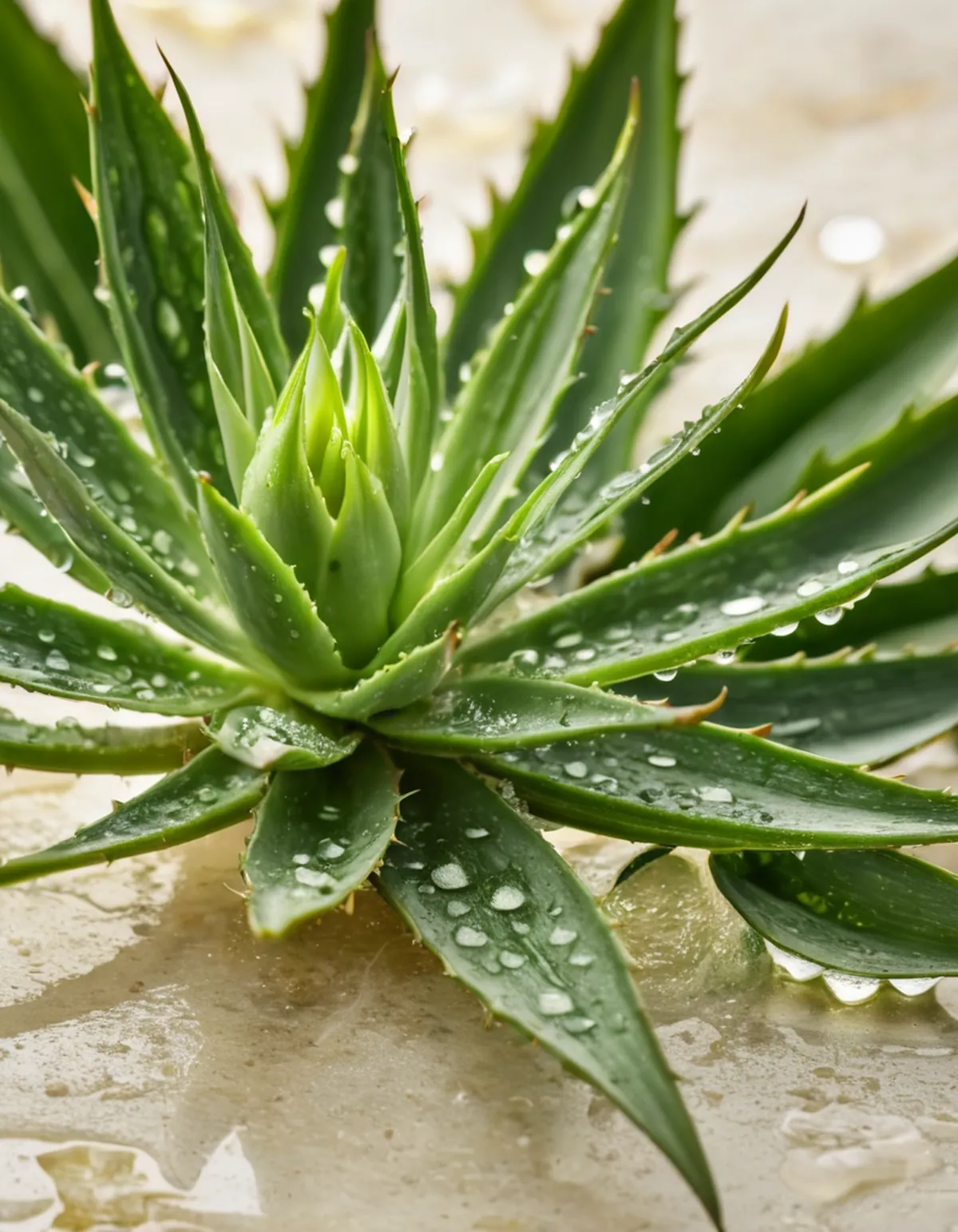
In the ingredient list, aloe vera usually appears as Aloe Barbadensis Leaf Juice, sometimes as Aloe Barbadensis Leaf Extract or Leaf Juice Powder. Around it you will find water, plant oils, an emulsifier, a preservative and often a fragrance.

A typical aloe vera cream, simplified:

FunctionExample INCI names
Water phaseAqua, Aloe Barbadensis Leaf Juice, Glycerin
Oil phaseOlea Europaea (Olive) Fruit Oil, Butyrospermum Parkii (Shea) Butter
Emulsifiere.g. Glyceryl Stearate, Cetearyl Alcohol
Preservativee.g. Sodium Benzoate, Potassium Sorbate
ScentParfum, plus any allergens that must be declared

‘Leaf Juice Powder’ is freeze-dried aloe juice that is mixed back with water during production. How to decode the rest of the list is explained in our guide to reading INCI lists.

How much aloe vera is in an aloe vera cream?

The label does not have to say. EU law requires ingredients to be listed in descending order of weight, but not their percentages, so the position of Aloe Barbadensis Leaf Juice in the list is the main clue.

If aloe juice comes first or second – directly after Aqua, or even in its place – it makes up a large part of the water phase. If it appears near the end, the amount is small: ingredients below 1 % may be listed in any order after the others. Figures on the front of a pack, such as ‘with 30 % aloe vera’, are voluntary and refer to the manufacturer’s own calculation, sometimes based on juice made from concentrate.

A cream can never consist of aloe alone: without oil and emulsifier it would be a gel, and without a preservative a water-based product would spoil quickly. The labelling rules are set out in Article 19 of Regulation (EC) No 1223/2009.

Aloe vera cream benefits: what does it actually do for the skin?

Aloe vera cream moisturises, helps keep the skin soft and supple and leaves a fresh, light feel. These are cosmetic properties: it cares for healthy skin, but it does not treat skin conditions.

Aloe leaf juice is mostly water, together with polysaccharides, sugars, amino acids and minerals. In a cream it works mainly as a moisturising part of the water phase, much like glycerin. The oils in the formula do the rest: they smooth the surface and help reduce water loss. What you feel on your skin is therefore the result of the whole formula, not of aloe alone.

Promises such as ‘repairs the skin’ or an ‘anti-ageing effect’ go beyond what a cosmetic may claim under EU rules. Honest wording reads ‘moisturises’, ‘cares for dry skin’ or ‘leaves the skin feeling soft’. More about the plant itself: aloe vera among our botanicals.

Is aloe vera cream good for the face?

For most skin types, yes – as a light daily moisturiser. Oily and combination skin usually prefers a gel cream, while dry skin is better served by a richer cream with plant oils.

On the face, the rest of the formula matters more than the aloe:

  • Oily or combination skin: a light, non-greasy texture; heavy butters can feel too rich.
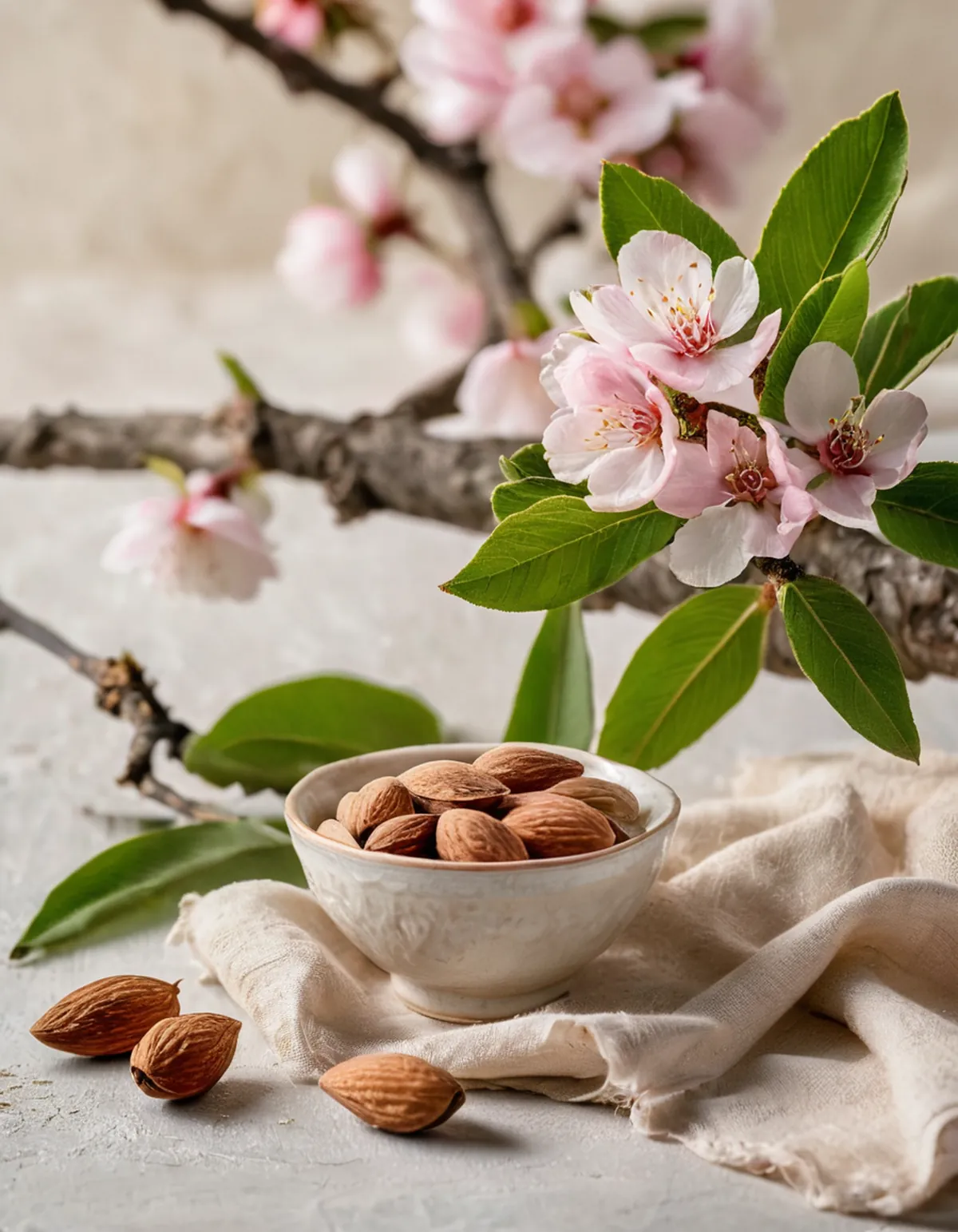
  • Dry skin: a cream with oils such as olive or sweet almond oil, morning and evening.
  • Sensitive skin: as little fragrance as possible – look for ‘Parfum’ and named allergens in the INCI list and try the product on a small patch first.

A day cream does not replace sunscreen unless a tested SPF is stated on the pack. How aloe and olive oil come together in a face cream is described on our face cream page.

Is aloe vera cream good for dry skin on the body?

It can be, as long as the formula contains enough oils or butters. Aloe on its own provides moisture but very few lipids, and dry skin needs both to stay supple.

For dry legs, arms, hands and elbows, a body cream or lotion that combines aloe juice with plant oils works better than a pure gel. Apply it straight after a shower, on slightly damp skin, so the formula can hold on to the moisture. In winter or in dry, heated rooms a richer texture usually feels more comfortable; in summer a light lotion is often enough.

If the skin stays rough, itchy or cracked despite regular care, see a doctor rather than trying yet another cream. Aloe vera is one of the botanicals in our body lotion category, currently in development for retail and private label.

Can you use aloe vera cream after sun?

Yes – aloe vera is a classic in after-sun care, because a light gel or lotion feels cooling and moisturising on skin that has been in the sun. An aloe cream does not protect against UV, and it does not undo sun damage.

After-sun products are cosmetics: they replenish moisture and leave the skin feeling refreshed. Keeping the bottle in the fridge makes the cooling sensation stronger. Three things to bear in mind:

  • An aloe cream contains no UV filter unless an SPF is stated on the label – it is not a sunscreen.
  • Sunburn is skin damage. Mild redness is a signal to stay out of the sun; blisters, fever or large affected areas need medical attention.
  • On skin that has had a lot of sun, fragrance-free products with a short ingredient list usually feel more comfortable.

Does aloe vera cream help with eczema, acne, scars or burns?

These are medical questions, not cosmetic ones. A cosmetic cream cares for the skin, but it is not intended to treat eczema, acne, scars or burns – please have them assessed by a doctor or pharmacist.

Under EU law, a cosmetic product is meant to clean, perfume, protect, keep in good condition or change the appearance of the skin. Treating or preventing disease is the job of medicines and medical devices, which are tested and authorised under different rules. That is why serious cosmetic brands avoid claims such as ‘against eczema’ or ‘for scars’.

If you have a skin condition, your doctor can tell you which care products are suitable alongside any treatment. Burns – including small kitchen burns – should be cooled under lukewarm running water and, if they are larger or blister, checked by a professional. Neither a cream nor fresh gel from the plant replaces that.

Last updated: October 2026This page provides general information on cosmetics and trade practice. It is not legal, tax or medical advice.

FAQ

Frequently asked questions

How do you use aloe vera cream?

Apply a small amount to clean skin and massage it in gently – on the face in the morning and/or evening, on the body ideally after a shower. Avoid the eye area and mucous membranes, and follow the directions on the pack.

Can I make aloe vera cream at home?

You can, but homemade creams contain water and usually no suitable preservative, so microbes can grow within days. The yellow sap just beneath the leaf skin contains aloin, which can irritate. Commercial cosmetics have to pass a safety assessment before they go on sale.

Can aloe vera cause an allergic reaction?

It is uncommon but possible, as with any plant ingredient. Reactions are more often caused by fragrances or preservatives in the formula. Try a new product on a small area such as the inner forearm and stop using it if redness or itching appears.

Is aloe vera cream suitable after shaving?

Many people like a light, fragrance-free aloe lotion or gel after shaving because it feels fresh. Avoid heavily scented or alcohol-rich products on freshly shaved skin, and do not apply them to cuts.

Is aloe vera cream suitable for children?

Choose products expressly intended for children; cosmetics for children under three are assessed with particular care in their safety report. For rashes or other skin problems in children, ask a paediatrician.

What does ‘organic’ mean on an aloe vera cream?

In cosmetics, ‘organic’ is not defined by EU law. Reliable information comes from private standards such as COSMOS or NATRUE, where an independent body checks the formula and the raw materials. Further answers on natural cosmetics can be found in our FAQ.

Where does the aloe vera in cosmetics come from?

Aloe vera (Aloe barbadensis Miller) is grown in warm, dry regions around the world; in Europe, Spain – above all the Canary Islands – is a well-known growing area. The origin is not part of the INCI name; only the supplier’s documents show it. Other Mediterranean plants are compared in our guide to Mediterranean skincare ingredients.

All questions

Contact

Begin with a sample

Tell us which products, quantities, sales channel and country you have in mind. We reply personally with questions or a proposal for samples.

Request samples & offer