SEDA PURANATURAL COSMETICS
Request samples & offer
CollectionWholesalePrivate labelIngredientsJournalFAQAboutContactFace creamBody lotionShower gelShampooOlive oil soapGift setsRequest samples & offer
ENESDE
  1. Home
  2. Journal
  3. What is orange blossom? Orange blossom water, neroli and creams explained
Journal · Ingredients · 8 min read

What is orange blossom? Orange blossom water, neroli and creams explained

Orange blossom – azahar in Spanish – comes from the bitter orange trees that line the streets of Seville. How it is used in skincare, what the label tells you and where cosmetics end and the kitchen begins.

In brief

Orange blossom water is a floral water from steam distillation; neroli is the essential oil; ‘fragrance oil’ is usually a composed scent.

On the label: Citrus Aurantium Amara Flower Water or Flower Oil – and, above set limits, allergens such as linalool and limonene.

Cosmetic orange blossom water is not a food: do not drink it, and keep it apart from culinary flower water.

What is orange blossom?

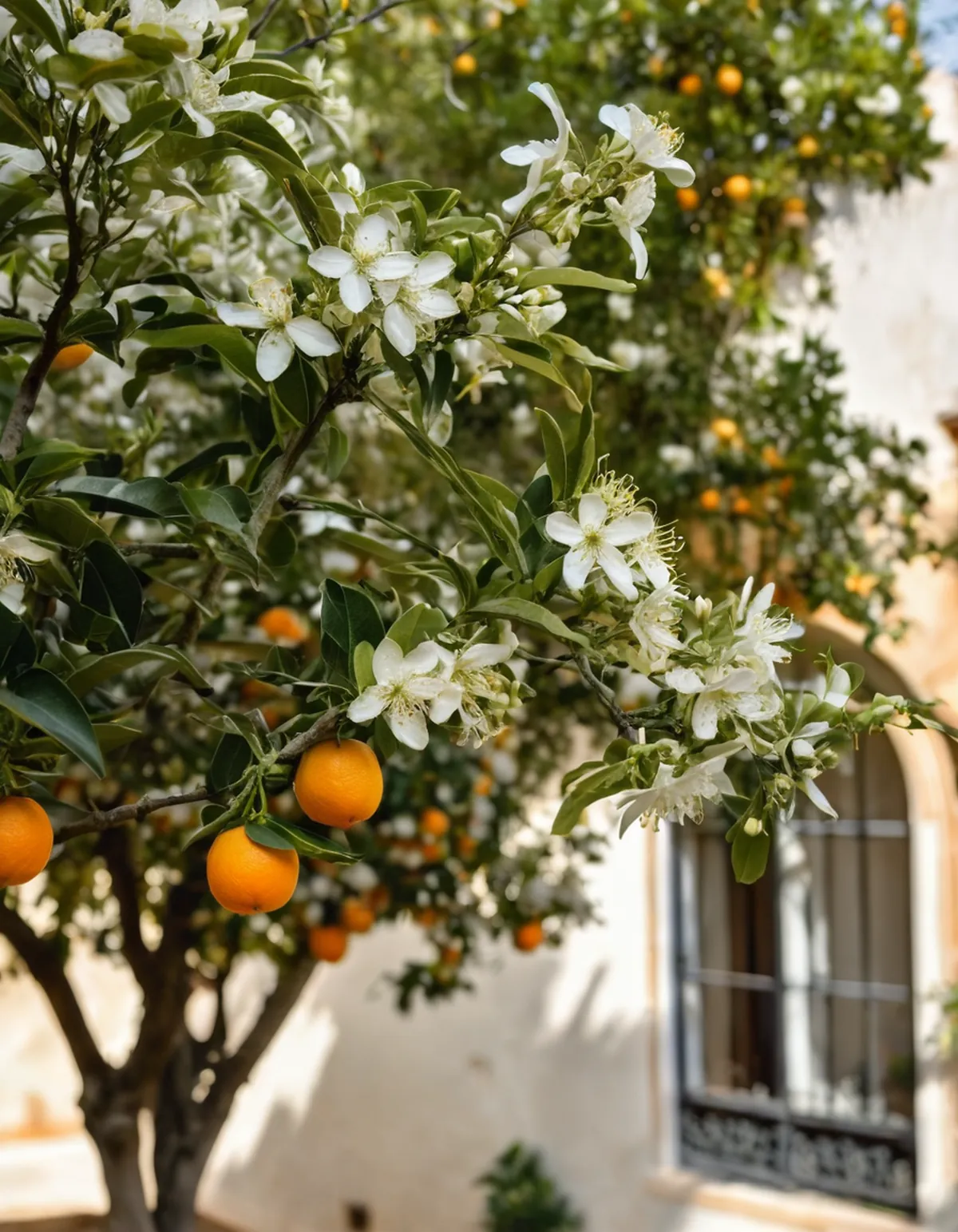
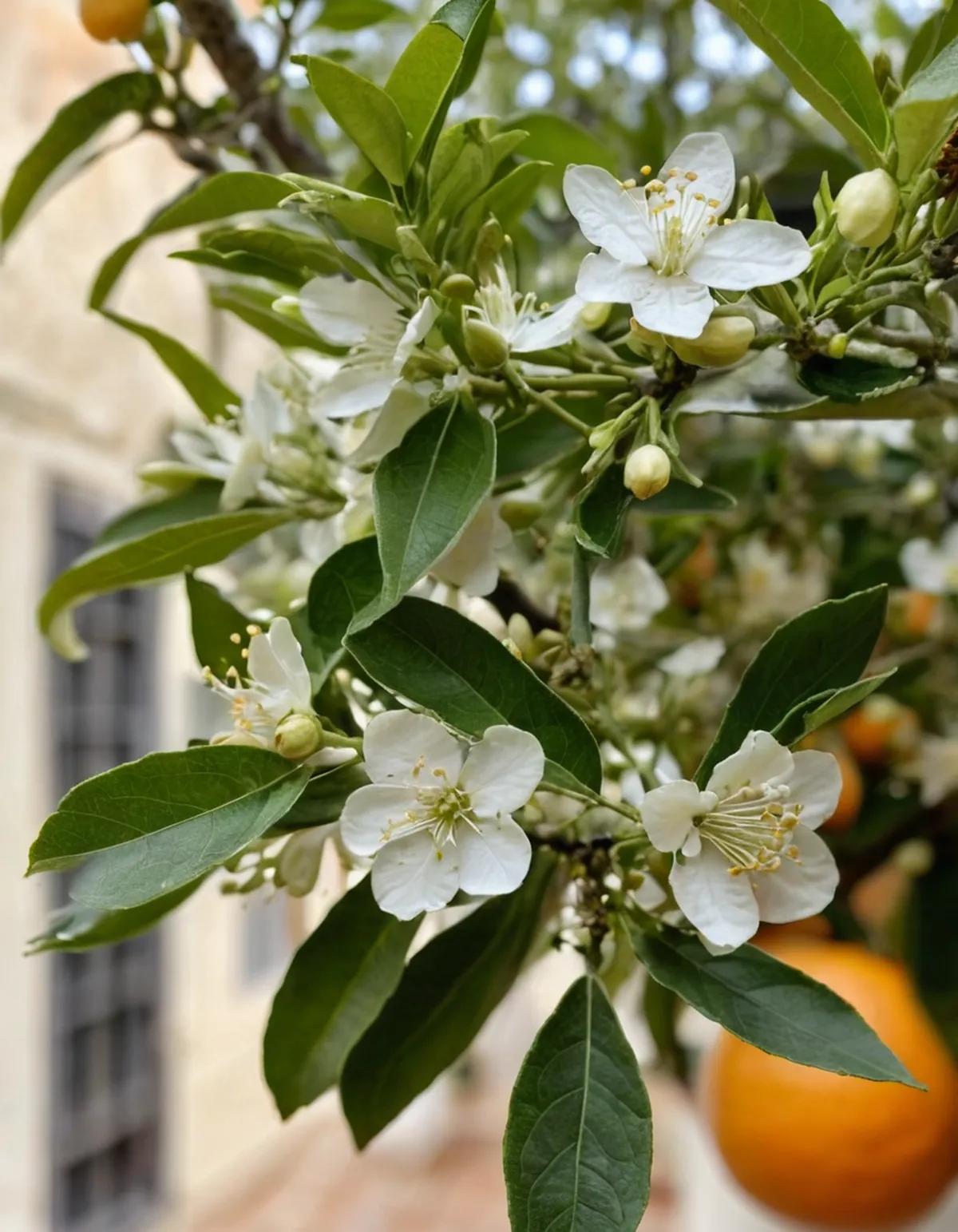
Orange blossom is the white, intensely fragrant flower of citrus trees. In skincare and perfumery it almost always means the blossom of the bitter orange, Citrus aurantium, which in Spain is called azahar.

The bitter orange flowers in spring – in Andalusia usually from March to April. The petals are processed in different ways, and each method produces a different raw material:

  • Steam distillation yields two products at once: the essential oil (neroli) and the aqueous part, orange blossom water.
  • Solvent extraction produces orange flower absolute, used mainly in fine fragrance.
  • Leaves and young twigs of the same tree give petitgrain oil, which smells greener and more woody.

Sweet orange (Citrus sinensis) also blossoms, but cosmetic ‘orange blossom’ ingredients are generally made from bitter orange. More on the plant: orange blossom among our botanicals.
What does orange blossom water do for the skin?

Orange blossom water gives the skin a refreshing, lightly toned feel and a soft floral scent. It is used as a toner or facial mist and as part of the water phase in creams and lotions – a cosmetic role, not a therapeutic one.

Typical uses:

  • Toner: after cleansing, apply with a cotton pad or spray onto the face, then follow with a moisturiser.
  • Facial or body mist: a light refresher during the day, also over make-up.
  • Ingredient in creams: it replaces part of the water and lends the formula its scent without adding much fragrance oil.

Orange blossom water suits most skin types because it contains no oil. It does contain traces of fragrant compounds, however, so very sensitive skin should try it on a small area first. Claims beyond refreshing and caring – for example about mood or ‘the nerves’ – are not something a cosmetic can deliver.

Orange blossom water, neroli oil and fragrance oil: what is the difference?

Orange blossom water is the gentle, water-based by-product of distillation; neroli is the concentrated essential oil from the same flowers. An ‘orange blossom fragrance oil’ is usually a composed scent that imitates the smell and need not contain any blossom at all.

The basics of floral water and neroli are covered in our guide to Mediterranean skincare ingredients. Here is the wider picture:

Raw materialObtained fromOn the labelUsed for
Orange blossom watersteam distillation, aqueous partCitrus Aurantium Amara (Bitter Orange) Flower Watertoner, mist, creams
Neroli oilsteam distillation, essential oilCitrus Aurantium Amara (Bitter Orange) Flower Oilscent, in low doses
Petitgrain oilleaves and twigsCitrus Aurantium Amara (Bitter Orange) Leaf/Twig Oilscent
Fragrance oilcomposed blend, often syntheticParfum (+ allergens)body sprays, lotions, soaps

Body sprays and colognes ‘with orange blossom’ often rely on fragrance oil.

How do you recognise orange blossom on the INCI list?

Look for ‘Citrus Aurantium Amara (Bitter Orange) Flower Water’ or ‘Flower Oil’. If only ‘Parfum’ appears, the product may smell of orange blossom without containing anything from the flower.

A floral water used as the main liquid can stand right at the top of the list, sometimes even before Aqua. Neroli, being used in tiny amounts, is usually near the end. Two pitfalls:

  • Citrus Aurantium Dulcis (Orange) Peel Oil is oil from sweet orange peel – a different raw material with a fresher, fruitier smell.
  • Parfum covers any fragrance blend; the name on the front of the pack describes the scent, not necessarily the ingredient.

All INCI names can be checked in CosIng, the EU ingredient database; how the list is structured is explained in our guide to reading INCI lists.

Can orange blossom cause allergies or side effects?

Neroli and other orange blossom extracts naturally contain fragrance allergens such as linalool and limonene, which can trigger reactions in sensitised people. Above legal limits they must be named on the label, so they can be identified and avoided.

Natural origin does not make a scent allergen-free: linalool from neroli behaves just like linalool from a synthetic blend. Both substances become more likely to irritate once they oxidise in contact with air, so close bottles tightly and store them cool and away from light.

Not to be confused with orange blossom: cold-pressed citrus peel oils, some of which can make the skin more sensitive to sunlight. If you know you react to fragrances, choose fragrance-free products or test a new one on the inner forearm for a few days. Eczema, persistent redness or swelling should be assessed by a doctor.

Orange blossom body cream and hand cream: what should you look for?

In a body or hand cream, orange blossom mainly shapes the scent and the fresh feel; the care itself comes from the oils and butters in the formula. A good product combines both and lists them clearly.

When comparing products, it is worth checking:

  • Where the flower appears: flower water high up in the list means a real share in the water phase; ‘Parfum’ alone means scent only.
  • The oil phase: olive, sweet almond oil or shea butter keep skin supple; hands that are washed often need a richer texture.
  • The amount of fragrance: for daily use on large areas of skin, a subtle scent is usually more comfortable.

Orange blossom is one of the scent families of our body lotion category and a classic for gift sets, where shower gel, lotion and soap share one fragrance.

Why is orange blossom so closely linked to Seville and Andalusia?

Bitter orange trees line the streets, squares and patios of Seville, Córdoba and Málaga, and in spring the scent of their blossom fills the old towns. Azahar has been part of Andalusian everyday culture for centuries – in fragrance, cosmetics and festivities.

The trees were planted mainly as ornamental and shade trees; their fruit is too bitter to eat raw. It travels abroad all the same: as ‘Seville oranges’ it is a classic ingredient of British marmalade. The blossom, in turn, has been distilled into floral water and fragrance for generations.

The word itself tells part of the story: azahar comes from the Arabic word for blossom, a reminder of the centuries of al-Andalus, when gardens with citrus trees and water features shaped the region. For Seda Pura, orange blossom stands for this Andalusian origin – as one of six botanicals typical of the region, not as a promise about where every raw material comes from.

Can you drink orange blossom water? Cosmetic versus culinary

Not the cosmetic kind. Culinary orange blossom water is a food flavouring for cakes and pastries and is subject to food law; cosmetic floral water is made and assessed for use on the skin only and may contain preservatives not intended for consumption.

The label shows which product you have:

  • Cosmetic: INCI list, name and address of the responsible person in the EU, batch number and a period-after-opening symbol or best-before date.
  • Food: ingredient list in food format, best-before date and, where relevant, nutrition information.

In Spanish pharmacies, orange blossom water may be sold as a cosmetic, a food or a traditional preparation – only the label tells you which. Questions about taking orange blossom water for health reasons belong with a pharmacist or doctor; this guide covers skincare only.

Last updated: October 2026This page provides general information on cosmetics and trade practice. It is not legal, tax or medical advice.

FAQ

Frequently asked questions

Where can I buy orange blossom water for the skin?

Orange blossom water for skincare is sold in pharmacies, perfumeries and natural cosmetics shops. Check that it is labelled as a cosmetic, with an INCI list naming Citrus Aurantium Amara (Bitter Orange) Flower Water and a responsible person in the EU.

Can I use orange blossom water as a face toner?

Yes. After cleansing, apply it with a cotton pad or spray it lightly over the face, let it settle briefly and follow with a moisturiser. Keep it away from the eyes.

How long does orange blossom water keep?

Follow the period-after-opening symbol on the pack, an open jar with a number such as ‘6M’ or ‘12M’. Store the bottle closed, cool and away from light; if it turns cloudy or smells different, stop using it.

What is an orange blossom cologne?

In Spain, ‘colonia de azahar’ is a traditional light fragrance made of alcohol, water and fragrance oils. It is a perfume rather than a care product, so it is best applied to intact skin or clothing, and its label lists allergens as well.

What does ‘azahar’ mean?

Azahar is the Spanish word for citrus blossom, especially that of the bitter orange; it comes from the Arabic word for blossom. ‘Agua de azahar’ is orange blossom water, also called orange flower water in English.

Is orange blossom suitable for men?

Scent has no gender. Neroli has been a classic note of colognes for men and women since the 18th century, and the same care rules apply to everyone: check the fragrance content and test new products on sensitive skin first.

Does Seda Pura sell orange blossom products?

Our range is currently in development, and orange blossom is one of its six botanicals. Retailers and private label clients can already send enquiries; an online shop for consumers is planned. More in our FAQ.

Can orange blossom water be used as a body spray?

Yes, a cosmetic orange blossom water (INCI: Citrus Aurantium Amara Flower Water) can be sprayed on face or body as a refreshing mist. Use a product sold as a cosmetic, check the INCI list for added fragrance and allergens, and keep it away from the eyes.

Is cosmetic orange blossom water the same as the one used in ice cream and baking?

No. Culinary orange blossom water is a food product; cosmetic orange blossom water is made, preserved and labelled under cosmetics law and is not meant to be eaten. Use each one only for the purpose stated on its label.

Is orange blossom perfume only for women?

No. Orange blossom (neroli and orange flower absolute) is a classic note in fragrances for women, men and unisex scents. In a cosmetic it appears as “parfum”, and certain fragrance allergens such as linalool may be listed separately.

What is an orange blossom body cream?

A body cream or lotion whose scent or water phase is based on orange blossom. Whether real orange flower water is included is shown by the INCI list; a scent alone appears only as “parfum”. See our body lotion.

All questions

Contact

Begin with a sample

Tell us which products, quantities, sales channel and country you have in mind. We reply personally with questions or a proposal for samples.

Request samples & offer