SEDA PURANATURAL COSMETICS
Request samples & offer
CollectionWholesalePrivate labelIngredientsJournalFAQAboutContactFace creamBody lotionShower gelShampooOlive oil soapGift setsRequest samples & offer
ENESDE
  1. Home
  2. Journal
  3. Mediterranean skincare ingredients: which plants are used, and why?
Journal · Ingredients · 7 min read

Mediterranean skincare ingredients: which plants are used, and why?

Fig, orange blossom, sweet almond, rosemary and aloe vera are classics of Mediterranean cosmetics. What each one is, how it appears on the label and what to look out for.

In brief

Mediterranean botanicals appear in cosmetics as oils, extracts, floral waters or juices – each with its own INCI name.

They help keep the skin supple, cleanse mildly or shape the scent of a product; they are not medicines.

Natural does not mean allergen-free: nut oils and essential oils such as neroli and rosemary oil deserve a closer look.

Which Mediterranean plants are used in skincare?

Alongside olive oil, the best-known Mediterranean skincare ingredients are fig, orange blossom, sweet almond, rosemary and aloe vera. They are used as plant oils, extracts, floral waters or leaf juices in creams, lotions, cleansers and hair care.

Olive oil has a guide of its own: olive oil in skincare. The table shows the other five botanicals, the INCI names under which they appear on the label and the products they typically feature in.

PlantINCITypically in
FigFicus Carica (Fig) Fruit Extractbody lotion, shower gel, cleansers
Orange blossomCitrus Aurantium Amara (Bitter Orange) Flower Water / Flower Oiltoner, face cream, soap
Sweet almondPrunus Amygdalus Dulcis (Sweet Almond) Oilface cream, body lotion, body oil
RosemaryRosmarinus Officinalis (Rosemary) Leaf Extractshampoo, shower gel, soap
Aloe veraAloe Barbadensis Leaf Juicebody lotion, gels, cleansers

All INCI names can be looked up in CosIng, the EU database of cosmetic ingredients.
How is fig used in skin care products?

Fig extract (Ficus Carica (Fig) Fruit Extract) is a botanical extract from the fruit of the fig tree. It is used in creams, lotions and cleansers as a caring additive and lends a product a warm, green-sweet character.

An extract is made by steeping plant material in a solvent such as water, glycerin or alcohol; the solvent is listed in the ingredients too. Fig extract is usually used in small amounts, so it tends to appear towards the end of the INCI list. ‘Fig’ in the description of a fragrance, on the other hand, often refers to the scent alone, which is listed as ‘Parfum’.

Worth knowing: the milky sap of fig leaves and stems contains furocoumarins, which can make the skin more sensitive to sunlight. Cosmetic fruit extracts are a different raw material, and their safety is assessed for each finished product. More on the plant: fig among our botanicals.

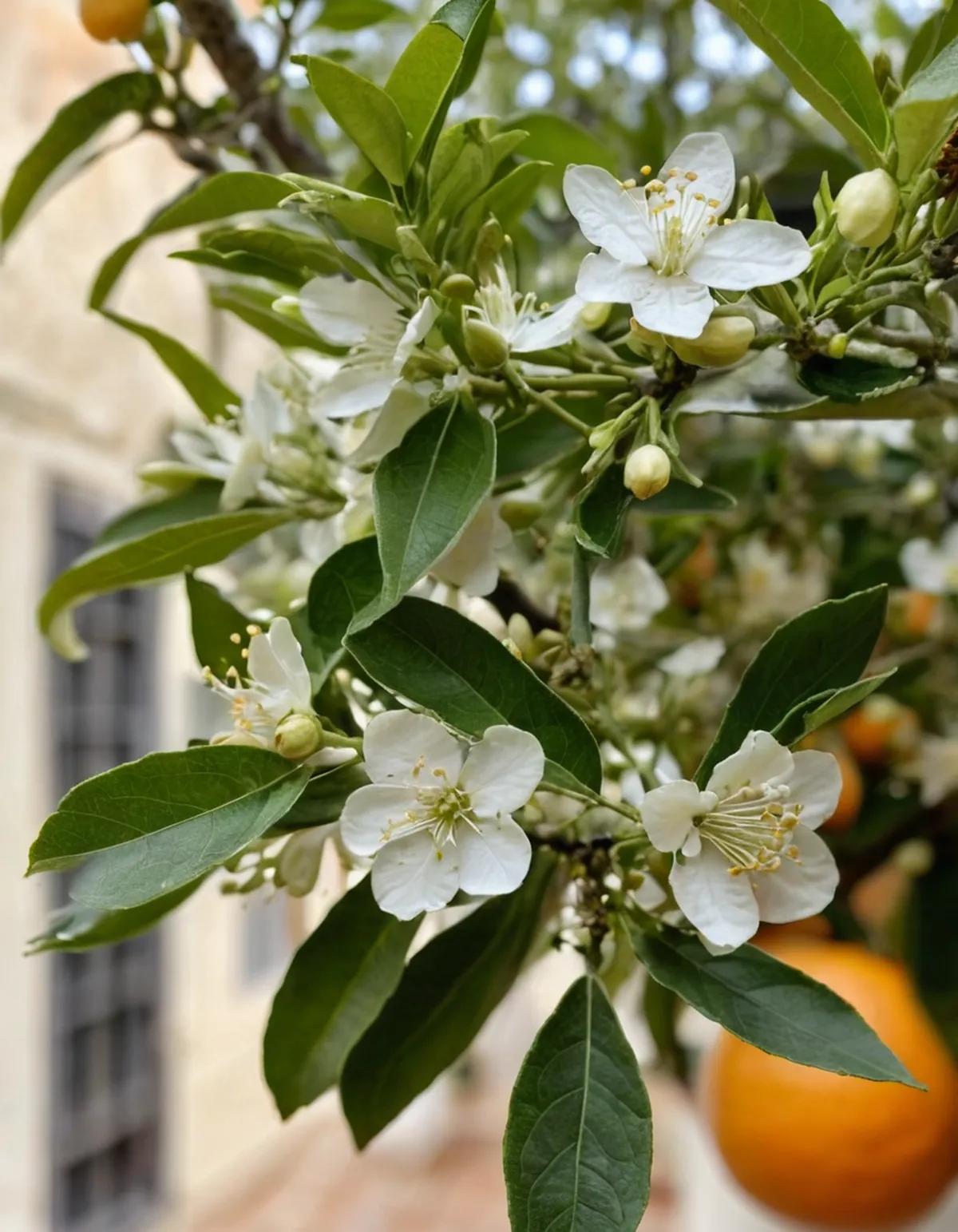
What is orange blossom water, and how does it differ from neroli?

Orange blossom water is the fragrant floral water left over when the blossom of the bitter orange is steam-distilled. Neroli is the essential oil obtained in the same process; it is far more concentrated and is used mainly for scent.

On the label, the floral water appears as Citrus Aurantium Amara (Bitter Orange) Flower Water and neroli as Citrus Aurantium Amara (Bitter Orange) Flower Oil. Orange blossom water is used in toners, creams and lotions as part of the water phase, where it refreshes and adds a soft floral note. In Seville and across Andalusia, the blossom of the bitter orange is known as azahar.

Neroli, like other essential oils, naturally contains fragrance allergens such as linalool and limonene. Above certain concentrations these must be declared individually on the label – more on this in the last section. Floral water contains only traces of essential oil, but it is not automatically free of these substances either.

Is almond oil good for your skin?

Sweet almond oil is a mild plant oil that gives creams and lotions a soft, smooth feel and helps keep the skin supple. It is one of the most widely used oils in body care.

Its INCI name is Prunus Amygdalus Dulcis (Sweet Almond) Oil. The oil consists mainly of oleic and linoleic acid and spreads easily, which is why it is found in body lotions, face creams, body oils and massage oils.

Important for anyone with a nut allergy: almond is a tree nut. Refined oils contain very little protein, but a reaction cannot be ruled out entirely. If you have a known nut allergy, check the ingredient list for ‘Prunus Amygdalus Dulcis’ and ask your doctor before use. Bitter almond (Prunus Amygdalus Amara) is a different raw material.

What does rosemary do in skincare and hair care?

Rosemary leaf extract (Rosmarinus Officinalis (Rosemary) Leaf Extract) is used in shampoos, shower gels and creams as a botanical extract with a fresh, herbal note. It is also widely used to protect the oils in a formula from oxidation.

Rosemary extracts rich in antioxidant compounds such as carnosic acid help keep plant oils fresh for longer – useful in natural cosmetics with a high oil content. In hair care, rosemary is a classic ingredient of shampoos and hair lotions; claims about hair growth would go beyond what a cosmetic may promise without evidence.

Rosemary essential oil (Rosmarinus Officinalis (Rosemary) Leaf Oil) is not the same as the extract. It is used for scent, may contain fragrance allergens such as limonene and linalool as well as camphor, and should never be applied undiluted to the skin.

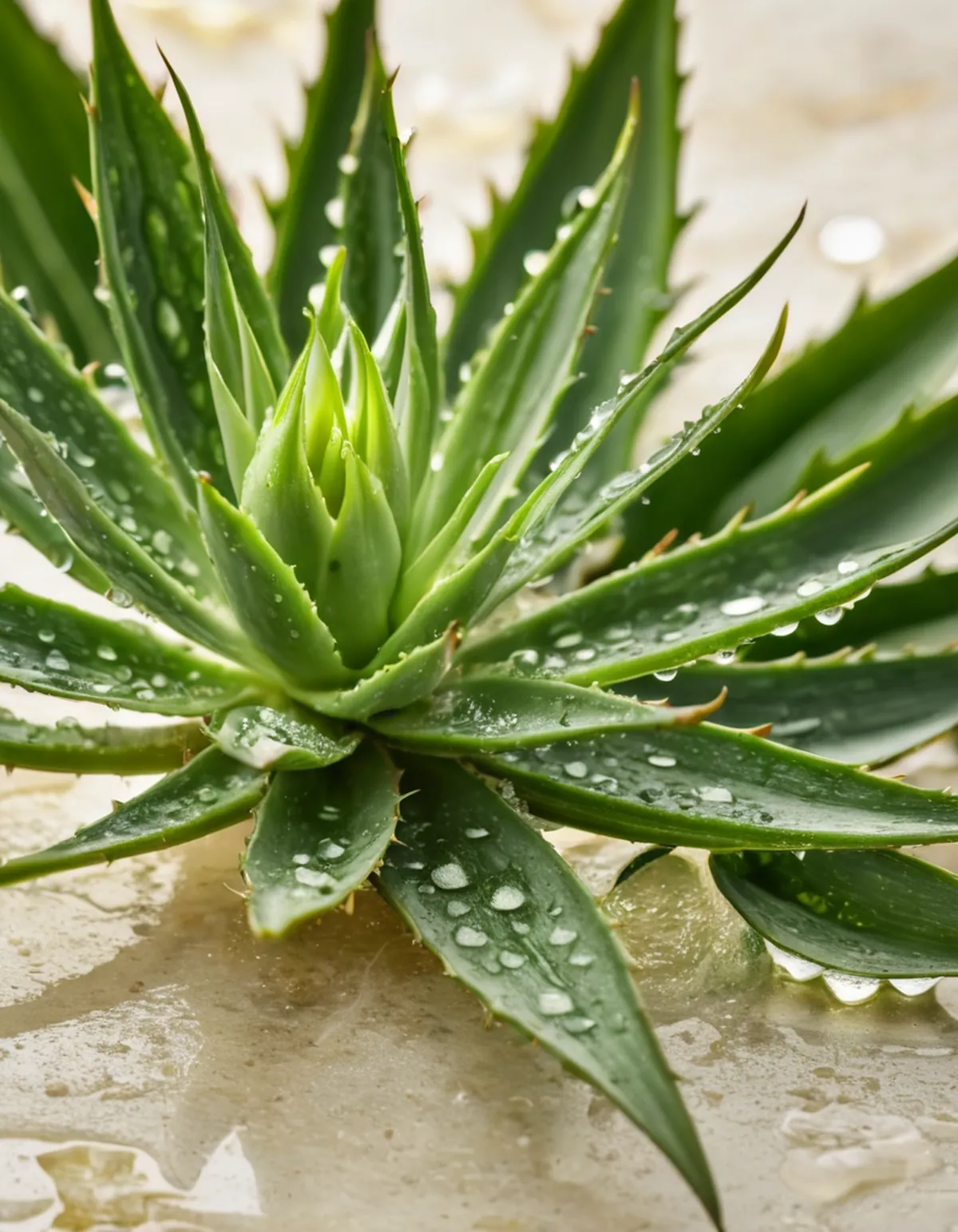
What is aloe vera used for in cosmetics?

Aloe vera leaf juice (Aloe Barbadensis Leaf Juice) is obtained from the gel inside the leaf. It is used as a water-based ingredient in lotions, gels and cleansers and gives formulas a light, fresh feel.

Aloe juice consists largely of water and contains polysaccharides, which give it its slightly gel-like texture. In a formula it often partly replaces water, which is why it can appear near the top of the INCI list.

After-sun gels with aloe are popular, but a cosmetic only cares for the skin: sunburn and other skin damage belong in medical hands. The yellow latex directly under the leaf skin contains aloin and is a different part of the plant from the inner gel; the supplier’s specification states which part a raw material comes from.

Are plant ingredients suitable for sensitive skin?

Not automatically. Plant-based means natural in origin, not free of allergens: nut oils, essential oils and some extracts can cause reactions in sensitive people.

The EU Cosmetics Regulation lists fragrance allergens such as linalool, limonene, geraniol and citral in Annex III. If one of them exceeds 0.001% in a leave-on product or 0.01% in a rinse-off product, it must be named in the ingredient list – whether it comes from a synthetic fragrance or from neroli or rosemary oil. Regulation (EU) 2023/1545 has considerably extended this list. Tips for sensitive skin:

  • read the INCI list and look out for known triggers,
  • try a new product on a small patch of skin first, for example the inner forearm,
  • if you have eczema, allergies or another skin condition, ask a doctor or pharmacist.

Legal text: Regulation (EC) No 1223/2009 on EUR-Lex.

Last updated: October 2026This page provides general information on cosmetics and trade practice. It is not legal, tax or medical advice.

FAQ

Frequently asked questions

What is the difference between a plant oil, an extract and a floral water?

A plant oil is pressed or extracted from seeds or fruit and belongs to the oily phase of a formula. An extract dissolves selected components of a plant in a solvent such as glycerin or water. A floral water is the aqueous part of steam distillation and belongs to the water phase.

Can I use orange blossom water from the kitchen on my skin?

Culinary orange blossom water is made and tested as a food, not as a cosmetic. For skincare, products whose safety has been assessed as cosmetics are the better choice.

Why do linalool and limonene appear on natural products?

Both occur naturally in many essential oils, including neroli and rosemary oil. Above the thresholds set by the EU Cosmetics Regulation they must be declared on the label, whether they come from a plant or a laboratory.

What does the order of ingredients on the label tell me?

Ingredients above 1% are listed in descending order of concentration; those at 1% or below may follow in any order. How to read the list: understanding INCI lists.

Do products with aloe juice or floral water need preservatives?

As a rule, yes. Any product that contains water can support the growth of microorganisms, so it needs a suitable preservation system or protective packaging. Its effectiveness is checked as part of the safety assessment.

Do the botanicals in Seda Pura products come from Andalusia?

The range is inspired by plants typical of Andalusia. Where each raw material comes from depends on the product and the manufacturer and is stated in the product documentation on request.

Can I develop a product with these botanicals under my own brand?

Yes. Mediterranean botanicals can be combined into own-brand formulas with partner manufacturers in Spain. How it works: private label skincare.

All questions

Contact

Begin with a sample

Tell us which products, quantities, sales channel and country you have in mind. We reply personally with questions or a proposal for samples.

Request samples & offer