SEDA PURANATURAL COSMETICS
Request samples & offer
CollectionWholesalePrivate labelIngredientsJournalFAQAboutContactFace creamBody lotionShower gelShampooOlive oil soapGift setsRequest samples & offer
ENESDE
  1. Home
  2. Journal
  3. What is natural cosmetics, and how can you tell?
Journal · Ingredients · 5 min read

What is natural cosmetics, and how can you tell?

‘Natural’ appears on countless labels, yet EU law does not define it. What the term can mean, what standards and seals check, and how to spot empty promises.

In brief

There is no legal definition of natural cosmetics in the EU; the general claim rules of Regulation (EU) 655/2013 apply.

ISO 16128 calculates natural origin shares of ingredients but sets no minimum and is not a label.

Private standards such as COSMOS or NATRUE define criteria and have them checked by independent bodies.

Is there a legal definition of natural cosmetics in the EU?

No. Neither the EU Cosmetics Regulation nor any other EU law defines ‘natural cosmetics’. Whether a product may be called natural is judged by the general rules for cosmetic claims.

Every cosmetic placed on the EU market, natural or not, must meet the same safety requirements of Regulation (EC) No 1223/2009: a safety assessment, a responsible person in the EU and notification in the CPNP portal. ‘Natural’ is therefore a marketing claim, not a separate product category.

In practice, the term is usually understood as cosmetics based mainly on ingredients of plant, mineral or animal origin with limited processing. How strict this is depends on the brand or on the private standard it follows.
What does ISO 16128 say about natural cosmetics?

ISO 16128 provides definitions and a calculation method for natural and organic ingredients. It produces indices such as the natural origin index, but it sets no minimum value and is not a label.

The standard has two parts: part 1 defines categories such as natural ingredients and derived natural ingredients, part 2 describes how to calculate the shares in a finished product. Water counts as natural in this method.

A statement like ‘95% natural origin according to ISO 16128’ is therefore a calculated value. It is useful if the calculation is documented, but it says nothing about which synthetic ingredients make up the rest. More on standards: International Organization for Standardization (ISO).

What do seals like COSMOS, NATRUE or BDIH check?

These private standards define which raw materials and processes are allowed, which substances are excluded, and how high the natural or organic share must be. Independent inspection bodies check compliance before a product may carry the seal.

COSMOS was developed by several European organisations, including the German BDIH, and distinguishes COSMOS NATURAL and COSMOS ORGANIC. NATRUE is an international association with its own label and criteria levels.

  • permitted ingredients and their origin
  • excluded substances, often including many synthetic fragrances, silicones and paraffins
  • permitted chemical processes
  • minimum organic shares for organic levels
  • packaging and environmental aspects

This guide explains the seals in general; it does not mean that Seda Pura products carry any of them.

How can you tell whether a cosmetic is natural?

Look beyond the front of the pack: read the INCI list, check what the first ingredients are and whether a natural claim is explained. A recognised seal or a documented ISO 16128 calculation gives additional orientation.

  • Plant oils, butters and extracts near the top of the list rather than at the end.
  • A clear explanation of what ‘natural’ refers to: the whole formula, a share or a single ingredient.
  • Concrete, verifiable statements instead of vague promises.

Our guide on how to read an INCI list explains the order of ingredients, the 1% rule and Latin plant names in detail.

What are typical signs of greenwashing in cosmetics?

Typical warning signs are vague terms without explanation, a single natural ingredient highlighted in a mainly conventional formula, invented seals and absolute ‘free from’ claims.

  • Leaves, green colours and words like ‘pure’ or ‘nature’ without any statement on the formula.
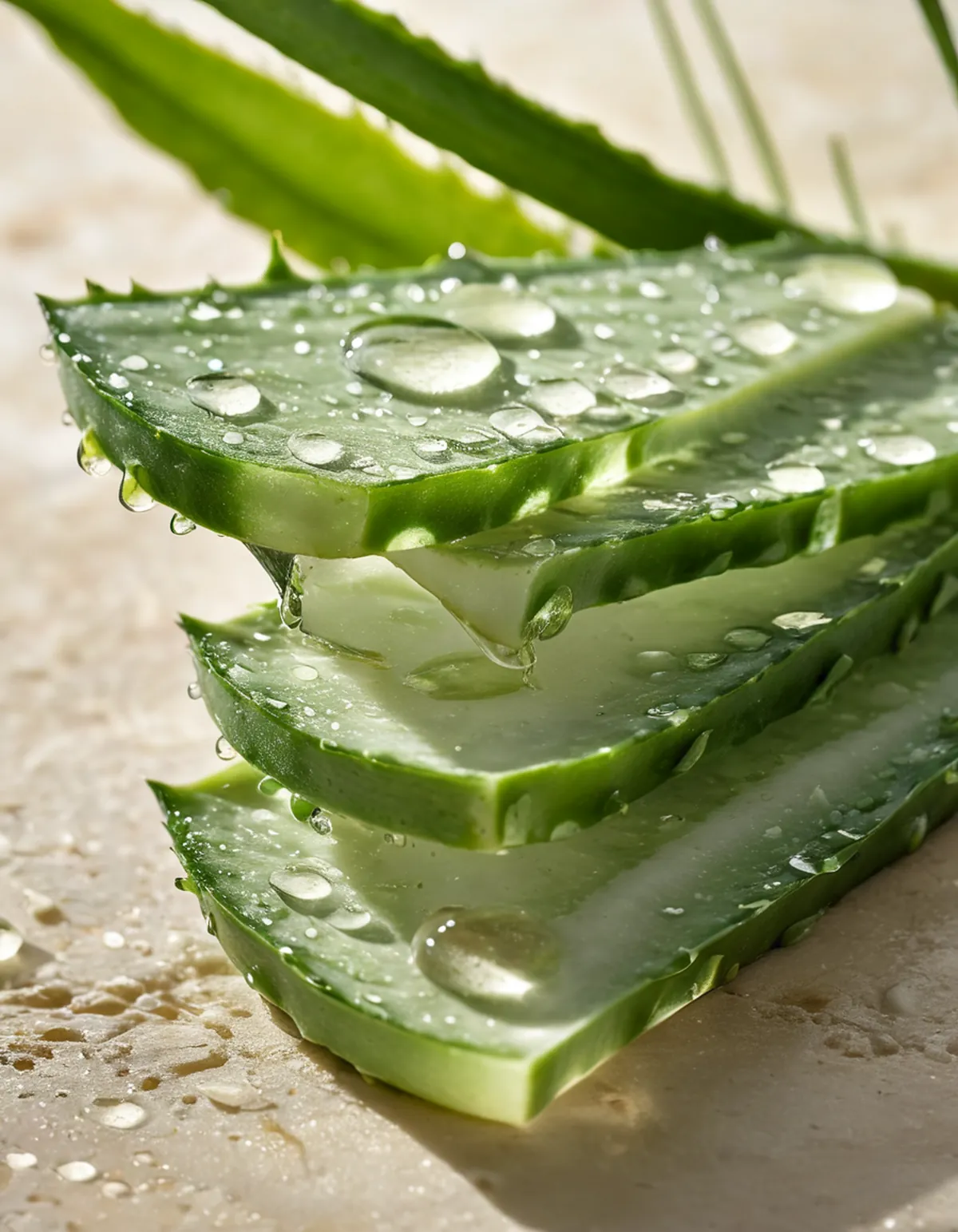
  • A ‘with aloe vera’ claim while Aloe Barbadensis Leaf Juice is at the end of the list.
  • Labels that look like seals but belong to no independent standard.
  • ‘Free from’ claims that denigrate legally permitted ingredients or concern substances that are banned anyway.

Since 27 September 2026, EU rules against greenwashing (Directive (EU) 2024/825) also restrict generic environmental claims and sustainability labels that are not based on a certification scheme or set up by public authorities. Source: EUR-Lex.

What role does Regulation (EU) 655/2013 play?

Regulation (EU) No 655/2013 sets six common criteria for all cosmetic claims: legal compliance, truthfulness, evidential support, honesty, fairness and informed decision-making. A natural claim must meet all of them.

In practice, this means: a product may not be called ‘natural’ if this is not true for the product as presented, the claim must be backed by evidence, and it must not exaggerate or disparage competitors. The European Commission’s technical document on cosmetic claims adds guidance, for example on ‘free from’ statements.

Read the legal text: Regulation (EU) No 655/2013 on EUR-Lex.

What should retailers check before listing natural cosmetics?

Retailers should ask for the full INCI list, the basis of any natural claim and, where applicable, the certificate of the seal used. They should also check the responsible person and the CPNP notification.

  • INCI list and product information, including the safety assessment summary on request.
  • Basis of natural claims: ISO 16128 calculation, seal certificate or documented ingredient origin.
  • Correct labelling in the language of the target market.
  • Wording of shelf texts and online shop descriptions in line with the claim rules.

Seda Pura supplies retailers via wholesale and develops own brands via private label; product information is provided on request.

Last updated: October 2026This page provides general information on cosmetics and trade practice. It is not legal, tax or medical advice.

FAQ

Frequently asked questions

Is natural cosmetics automatically better for the skin?

No. Natural ingredients can also cause skin reactions, essential oils for example contain fragrance allergens. What matters is the formula and how it suits your skin; with skin conditions, ask a doctor.

What is the difference between natural and organic cosmetics?

Organic refers to ingredients from controlled organic farming. Standards such as COSMOS ORGANIC require minimum organic shares, while natural levels focus on the origin and processing of ingredients.

Do natural cosmetics contain preservatives?

Water-based products need protection against microbial growth. Natural standards allow a limited set of preservatives; products without water, such as soaps or oils, often need none.

Can a product be called natural without a seal?

Yes, a seal is not legally required. However, the claim must be truthful, supported by evidence and not misleading under Regulation (EU) 655/2013.

Is water a natural ingredient?

Under ISO 16128, water counts as natural. Some private standards exclude it when calculating organic shares, which is why percentages from different methods are not directly comparable.

Are natural cosmetics tested on animals?

Animal testing for cosmetics and their ingredients is banned in the EU for all cosmetics, natural or conventional, as is the marketing of cosmetics tested on animals for that purpose.

Where can I find out which ingredients Seda Pura uses?

Our ingredients page presents the botanicals with their INCI names; full ingredient lists per product are available on request. See also our frequently asked questions.

All questions

Contact

Begin with a sample

Tell us which products, quantities, sales channel and country you have in mind. We reply personally with questions or a proposal for samples.

Request samples & offer