SEDA PURANATURAL COSMETICS
Request samples & offer
CollectionWholesalePrivate labelIngredientsJournalFAQAboutContactFace creamBody lotionShower gelShampooOlive oil soapGift setsRequest samples & offer
ENESDE
  1. Home
  2. Journal
  3. Natural skincare for skin types: what suits dry, oily and sensitive skin?
Journal · Skincare · 9 min read

Natural skincare for skin types: what suits dry, oily and sensitive skin?

Skin type decides more than brand or price. How to recognise yours, which textures and Mediterranean ingredients suit it, how day and night care differ, and where honest skincare ends and medical advice begins.

In brief

Your skin type shows in how skin feels a few hours after cleansing: tight and rough means dry, shiny means oily, both together means combination.

Dry skin tends to prefer creams and oils, oily skin gels and light lotions, sensitive skin short ingredient lists and one new product at a time.

No cream removes wrinkles or treats acne. Moisture can soften the look of dryness lines; daily UV protection matters most for skin ageing.

How do you find out your skin type?

Cleanse your face with a mild product, apply nothing and observe your skin after two to three hours. Tightness and flaking suggest dry skin, shine all over suggests oily skin, a shiny T-zone with normal or dry cheeks suggests combination skin.

Skin typeHow it typically feelsWhat you often see
Drytight, rough, sometimes itchyfine flakes, dull areas, small dryness lines
Oilysmooth, quickly greasyshine, visible pores, occasional blemishes
Combinationgreasy on forehead, nose and chin; normal or dry elsewhereshiny T-zone, matte cheeks
Sensitivestings or burns with new productsredness after cleansing, wind or heat
Maturedrier and less supple than beforefine lines, less elasticity

‘Sensitive’ and ‘mature’ are not separate types in the strict sense: dry or oily skin can also be sensitive, and every skin type ages. Skin also changes with the season, hormones, climate and age, so it is worth checking again from time to time. For a step-by-step order of products, see our natural skincare routine.
Which texture suits which skin type: gel, lotion, cream or oil?

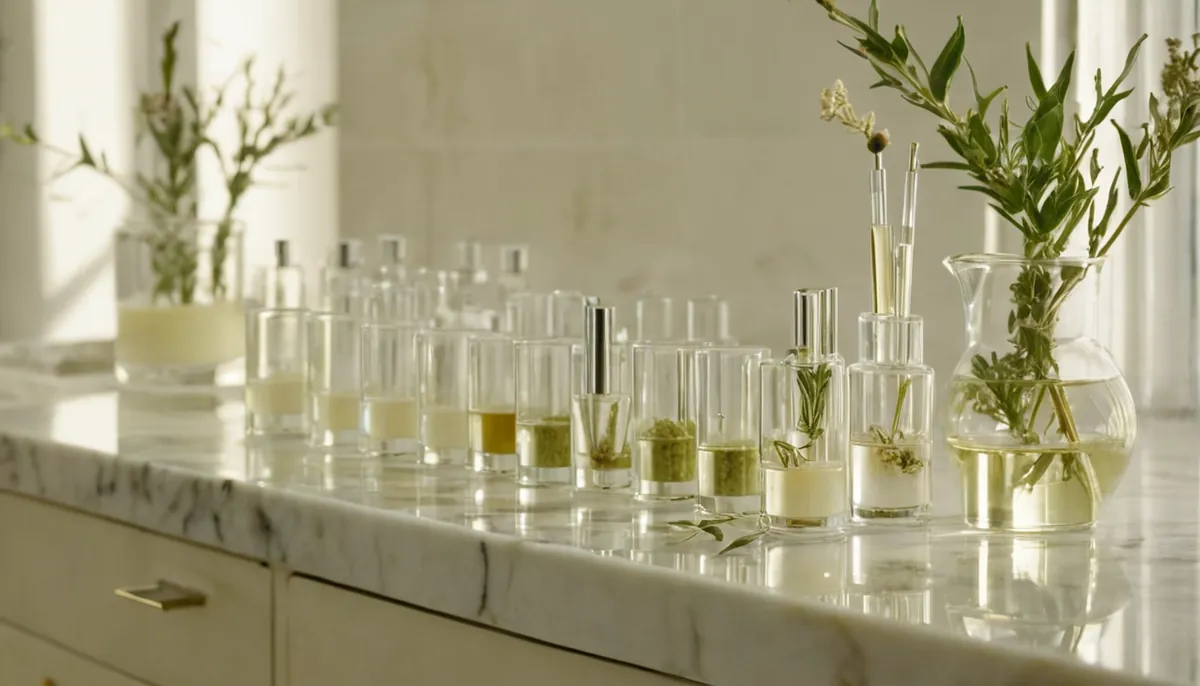
The richer the texture, the more oil it contains. Gels are light and mostly water-based, lotions are thin emulsions, creams contain more lipids, and pure oils contain no water at all. Dry skin usually feels better with creams and oils, oily skin with gels and lotions.

  • Gel: watery, absorbs quickly, leaves little film. Often chosen for oily skin or warm weather.
  • Lotion: a light emulsion of water and oil. A good middle ground for combination and normal skin, and the classic for the body, like our body lotion.
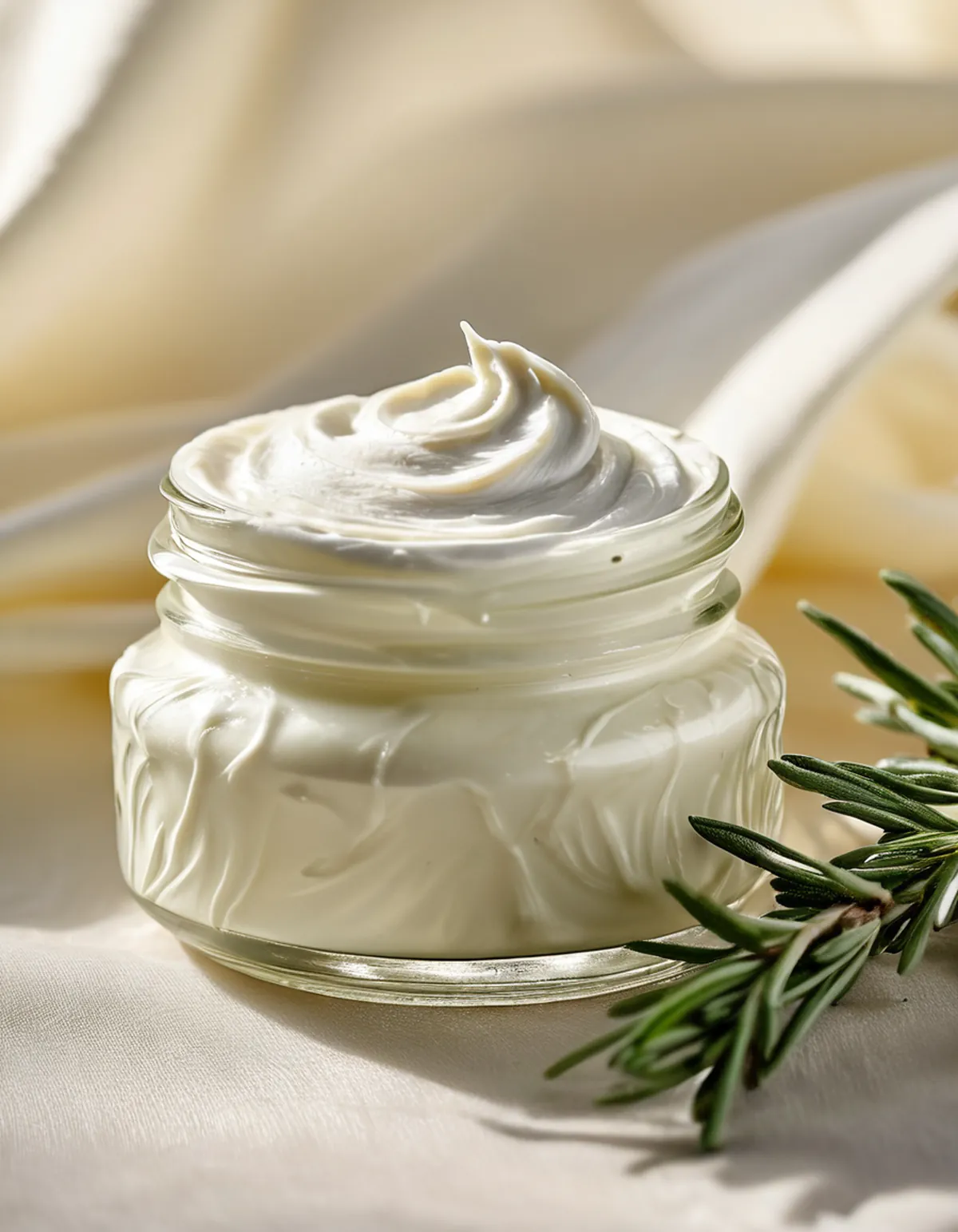
  • Cream: a richer emulsion that leaves a soft, protective feel. Popular for dry and mature skin and in winter, for example our face cream.
  • Oil: no water, so it does not add moisture by itself but can help reduce water loss. Many people apply a few drops on top of their cream in the evening.

Texture is a question of comfort, not of quality. If a cream feels heavy or a gel leaves your skin tight, simply switch to the neighbouring texture.

What makes a good natural moisturizer for dry skin?

A good natural moisturizer for dry skin combines water-binding ingredients such as glycerin or aloe vera with plant oils and butters that help keep moisture in. Rich creams, gentle cleansing and lukewarm rather than hot water make the biggest difference.

Dry skin produces fewer lipids, so its outer layer loses water more easily. Care therefore has two jobs: bring moisture into the upper skin layers and slow down its loss. Humectants such as Glycerin or Aloe Barbadensis Leaf Juice attract water; plant oils such as Olea Europaea Fruit Oil (olive oil) or Prunus Amygdalus Dulcis Oil (sweet almond oil) and butters such as Butyrospermum Parkii Butter (shea) form a soft film.

  • Cleanse gently: harsh foaming cleansers and very hot showers dry skin further. Our olive oil soap guide explains how soap and syndets differ.
  • Apply cream or lotion to slightly damp skin after washing.
  • Use a richer texture at night and in winter.

Very dry, cracked or persistently itchy skin can be a sign of a skin condition. In that case, see a doctor rather than trying more and more products.

What to look for in natural skincare for sensitive skin

Natural skincare for sensitive skin should have a short ingredient list, ideally without added fragrance, and be introduced one product at a time after a patch test. ‘Natural’ does not mean allergy-free: plant extracts and essential oils can irritate too.

Sensitive skin reacts more quickly to friction, heat, cold and certain ingredients. The most common triggers in cosmetics are fragrances, including those from essential oils. Under EU law, listed fragrance allergens such as Limonene, Linalool or Geraniol must be named on the label once they exceed 0.001 % in leave-on and 0.01 % in rinse-off products (Annex III of Regulation (EC) No 1223/2009). Our guide to INCI lists shows where to find them.

  • Fewer products, fewer variables: start with a cleanser and one cream.
  • Introduce only one new product every one to two weeks so you know what caused a reaction.
  • People with a nut allergy should check for Prunus Amygdalus Dulcis Oil (sweet almond) and ask their doctor.

Persistent redness, burning or flaking can have medical causes such as rosacea or eczema. Patient information from sources such as DermNet can help, but a dermatologist should make the diagnosis.

Oily, combination and blemish-prone skin: what can skincare do?

Oily and combination skin still needs moisture, just in a lighter form: gels or fluid lotions, gentle cleansing and no harsh scrubbing. Skincare can keep blemish-prone skin clean and comfortable, but it is not an acne treatment.

Oily skin produces more sebum, mainly in the T-zone. Stripping it with strong cleansers several times a day often makes it feel tight without reducing shine for long. A milder approach usually feels better: cleanse morning and evening, apply a light, non-greasy texture and use a richer cream only on dry areas.

Plant oils are not automatically unsuitable for oily skin; how a formula feels depends on its overall composition. If you notice more blemishes after starting a product, stop and see whether things settle.

Acne is a skin condition, not a skin type. Inflamed spots, cysts or scarring belong in the hands of a doctor or dermatologist. Cosmetics may, under EU rules, only claim to care for, cleanse or improve the appearance of skin, not to treat disease.

Mature skin: what can natural anti-ageing care really do?

Caring creams can keep mature skin supple and soften the look of fine lines caused by dryness. They do not remove wrinkles. The most effective step against visible skin ageing is consistent daily UV protection with a dedicated sunscreen.

With age, skin produces fewer lipids and becomes thinner and drier. A well-moisturised outer layer reflects light more evenly, which is why dryness lines look less pronounced after applying a cream. That effect is real but temporary, and it is what honest anti-ageing care can offer.

Deeper wrinkles result mostly from changes in collagen and elastic fibres, caused to a large extent by sunlight over many years. Sun protection, not smoking and enough sleep influence this far more than any cream. Under Regulation (EU) No 655/2013, claims must be truthful and supported by evidence; be wary of products that promise to ‘erase’ or ‘reverse’ wrinkles.

For mature skin, many people choose a richer cream at night and a lighter cream under sunscreen during the day.

Day cream or night cream: what is the difference?

A day cream is usually lighter so it sits comfortably under sunscreen and make-up. A night cream is often richer because nothing goes on top of it. Neither is mandatory: one cream that suits your skin can be used morning and evening.

‘Day’ and ‘night’ are product categories, not biological necessities. Skin does not need different ingredients at night; it simply does not have to deal with make-up, sunscreen or wind, so a richer layer is more pleasant then.

  • Morning: cleanse gently, apply a light cream, finish with a sunscreen that states an SPF.
  • Evening: cleanse thoroughly to remove sunscreen and make-up, then apply a richer cream or a few drops of oil.

A day cream without a tested and stated SPF does not protect against UV radiation. More on the order of steps: morning and evening routine.

Which ingredients suit which skin type?

Plant oils such as olive and sweet almond oil are popular for dry skin, aloe vera and floral waters for oily and combination skin, and short, fragrance-free formulas for sensitive skin. The INCI list on the pack tells you what a product actually contains.

IngredientINCI nameOften chosen for
Olive oilOlea Europaea Fruit Oildry, mature skin; body care
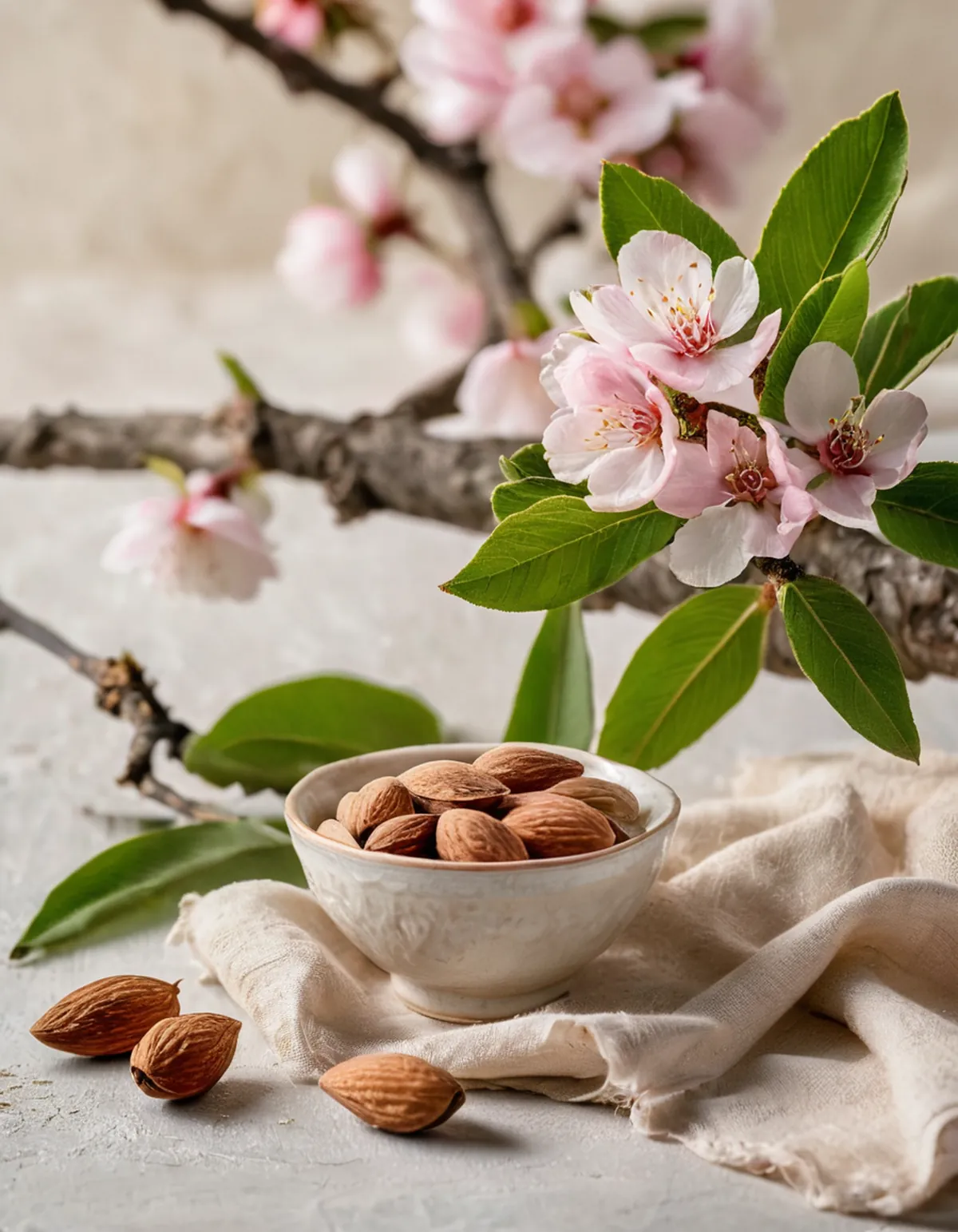
Sweet almond oilPrunus Amygdalus Dulcis Oildry and normal skin (check for nut allergy)
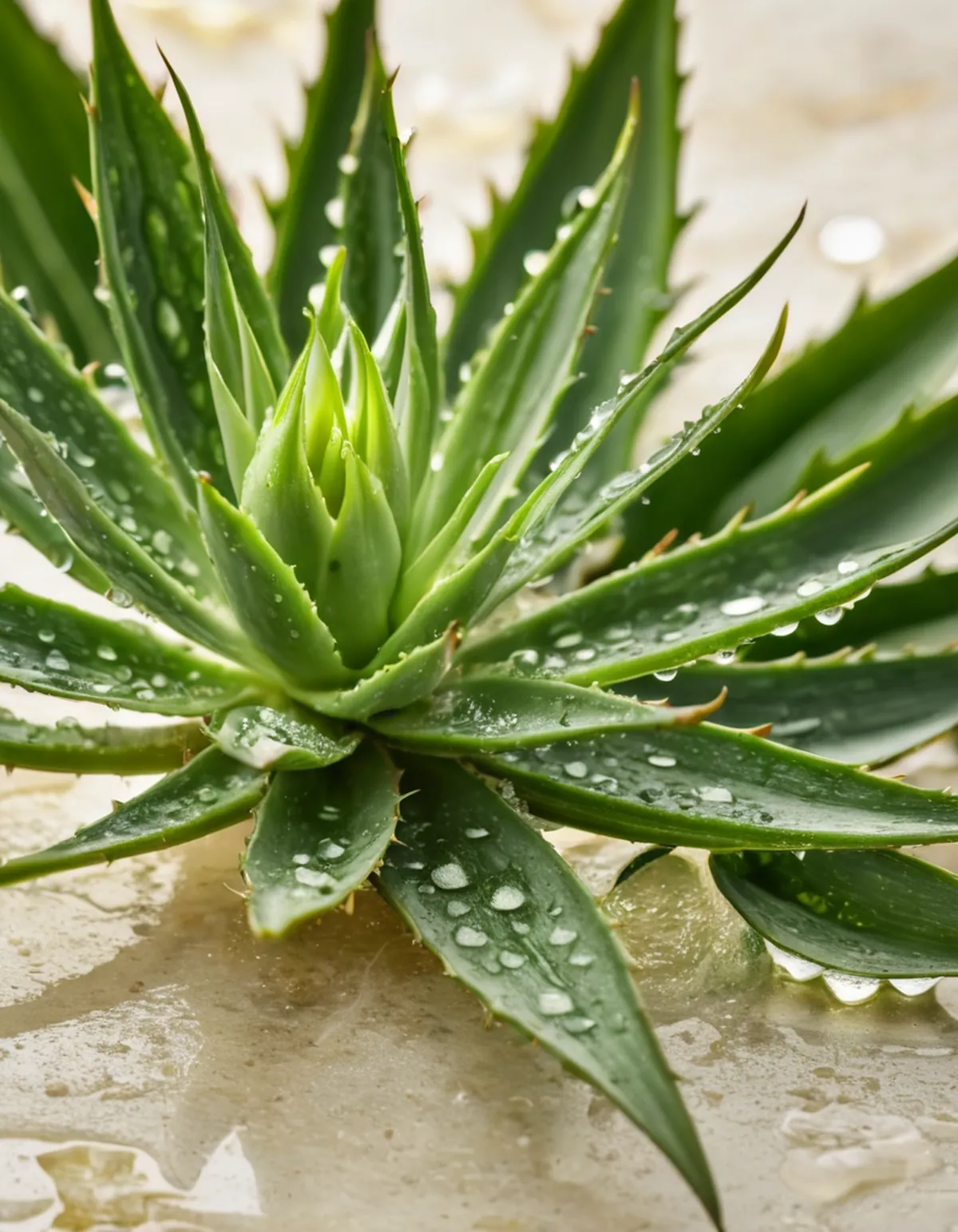
Aloe veraAloe Barbadensis Leaf Juiceall skin types, light textures
Orange blossom waterCitrus Aurantium Amara Flower Waterrefreshing step for normal and oily skin
Fig extractFicus Carica Fruit Extractcaring formulas for face and body
Rosemary extractRosmarinus Officinalis Leaf Extracthair and body care, also used to protect oils from oxidation
GlycerinGlycerinall skin types as a humectant

The table describes typical uses of these ingredients in cosmetics, not the composition of a specific Seda Pura product; please check the INCI list of each product. More background: olive oil in skincare, aloe vera cream, orange blossom, fig in skincare and our Mediterranean botanicals.

Natural skincare for teens and kids: what should parents know?

Children and teenagers usually need very little: a mild cleanser, a simple fragrance-free cream when skin feels dry, and sun protection outdoors. Fewer products are better. For rashes, eczema or acne, see a paediatrician or dermatologist.

Children’s skin is thinner and reacts more easily, so the rule is mild, unperfumed and as few products as possible. Essential oils and strong fragrances are best avoided in products for small children. Always follow the age information on the pack; some products are explicitly not intended for children under three.

During puberty, sebum production increases and many teenagers get shinier skin and occasional spots. A gentle cleanse morning and evening and a light gel or lotion are often enough. Elaborate multi-step routines and anti-ageing products are not needed at this age.

Natural skincare for kids and teens does not replace medical care: persistent rashes, itching, eczema or inflamed acne should be assessed by a doctor.

Natural skincare for women and men: is there a real difference?

Skin works the same way in women and men. Men’s skin tends to be slightly thicker and oilier, and daily shaving adds stress. The skin type matters more than the label on the pack: most face creams and lotions suit everyone.

Natural skincare for women and natural skincare for men follow the same principles: cleanse, care, protect from the sun. Differences are mostly in fragrance, packaging and marketing. Hormonal phases such as pregnancy or menopause can change how skin feels; then adjust the texture rather than buying a whole new routine.

For men, shaving is the main difference. A light, unperfumed cream after shaving helps the skin feel comfortable; a lotion that absorbs quickly also works for the beard area. Our face cream and body lotion are not limited to one gender.

What is olive oil based skin care and why is it typical of Spanish skin care products?

Olive oil based skin care uses Olea Europaea Fruit Oil as a key oil phase, for example in creams, lotions and especially soap. Spain is the world’s largest olive oil producer, so olive oil has a long tradition in Spanish skin care products, alongside almond, fig and orange blossom.

Olive oil is rich in oleic acid and is valued in cosmetics for its soft skin feel; in soap making it produces a mild, creamy bar. Andalusia in particular is shaped by olive groves, which is why so many local formulas start from it. More on this in our guide to olive oil soap.

‘Olive oil based’ is not a protected term. Whether olive oil is a main ingredient or appears only in a small amount is shown by its position in the INCI list: ingredients above 1 % are listed in descending order of quantity. Seda Pura develops olive oil soap, face and body care in Málaga and also produces for retailers via wholesale and private label.

Last updated: October 2026This page provides general information on cosmetics and trade practice. It is not legal, tax or medical advice.

FAQ

Frequently asked questions

How do I do a patch test?

Apply a small amount of the product to the inside of your forearm or behind the ear and leave it for 48 hours. If redness, itching or burning occurs, wash it off and do not use the product. A patch test lowers the risk but cannot rule out every reaction.

Can a cream remove wrinkles?

No. Moisturising care can soften the appearance of fine lines caused by dryness, but it does not remove wrinkles. The most important step against visible skin ageing is daily UV protection.

Is natural skincare automatically better for sensitive skin?

Not automatically. Plant extracts and essential oils can also cause irritation or allergies. For sensitive skin, a short ingredient list and the absence of added fragrance matter more than whether a product is called natural.

At what age can teenagers start a skincare routine?

As soon as they feel the need, often with the onset of puberty. A mild cleanser and a light moisturiser are enough; anti-ageing products are not necessary for teenagers.

Can children use adult face cream?

Follow the age information on the pack. For children, mild, fragrance-free products are best, used only when skin feels dry. For skin problems, ask a paediatrician.

Do men need special skincare?

Not necessarily. Men’s skin is often oilier, so lighter textures may feel better, and a mild cream after shaving helps. Most face creams and lotions are suitable regardless of gender.

Is olive oil suitable for oily skin?

It depends on the formula as a whole and on how your skin reacts. Many people with oily skin prefer light lotions or gels; pure olive oil on the face feels too rich to some. Test it on a small area first.

Can I use body lotion on my face?

Occasionally, if it suits your skin, but face creams are usually formulated for the more delicate facial skin. Avoid the eye area and stop if your skin reacts.

What is luxury natural skincare and is it better?

Luxury natural skincare usually refers to premium packaging, selected ingredients and a special skin feel. A high price does not prove a better effect: what matters is whether the formula suits your skin, so read the INCI list rather than the price tag.

Is buying natural skincare in the UK from an EU brand different?

Since Brexit, Great Britain has its own cosmetics rules: products on the GB market need a UK-based responsible person and registration on the UK portal. Retailers interested in supplying Seda Pura in the UK are welcome to contact our wholesale team.

Does my skin type change over time?

Yes. Age, hormones, climate, season and medication can change how your skin behaves. Many people need richer care in winter and lighter care in summer.

All questions

Contact

Begin with a sample

Tell us which products, quantities, sales channel and country you have in mind. We reply personally with questions or a proposal for samples.

Request samples & offer